
USA Rhogam Anti-D Hemat
Understanding Rhogam Anti-D Hemat: Definition and Basic Principles
Rhogam Anti-D Hemat is a medication designed to prevent Rh immunization in Rh-negative individuals. This pharmaceutical agent works by providing passive immunity through the administration of immune globulin, which contains antibodies against the Rh factor. When an Rh-negative pregnant woman is exposed to Rh-positive blood, her immune system may produce antibodies against the Rh factor. These antibodies can affect future pregnancies, posing serious risks to Rh-positive fetuses. Rhogam Anti-D Hemat effectively binds to and eliminates Rh-positive red blood cells from the mother’s circulation before her immune system can react to them.
The key characteristics of Rhogam Anti-D Hemat include its formulation and storage requirements. Typically, the medication is administered intravenously or intramuscularly, depending on the clinical scenario, and requires careful handling to maintain its potency. The avoidance of unnecessary exposure to Rh-positive blood, as well as the timely administration of Rhogam Anti-D Hemat within 72 hours of a sensitizing event, can significantly reduce the risk of severe complications in both current and future pregnancies. Overall, understanding the intricacies of Rhogam Anti-D Hemat is essential for those at risk of Rh incompatibility issues.
Form and Presentation of Rhogam Anti-D Hemat
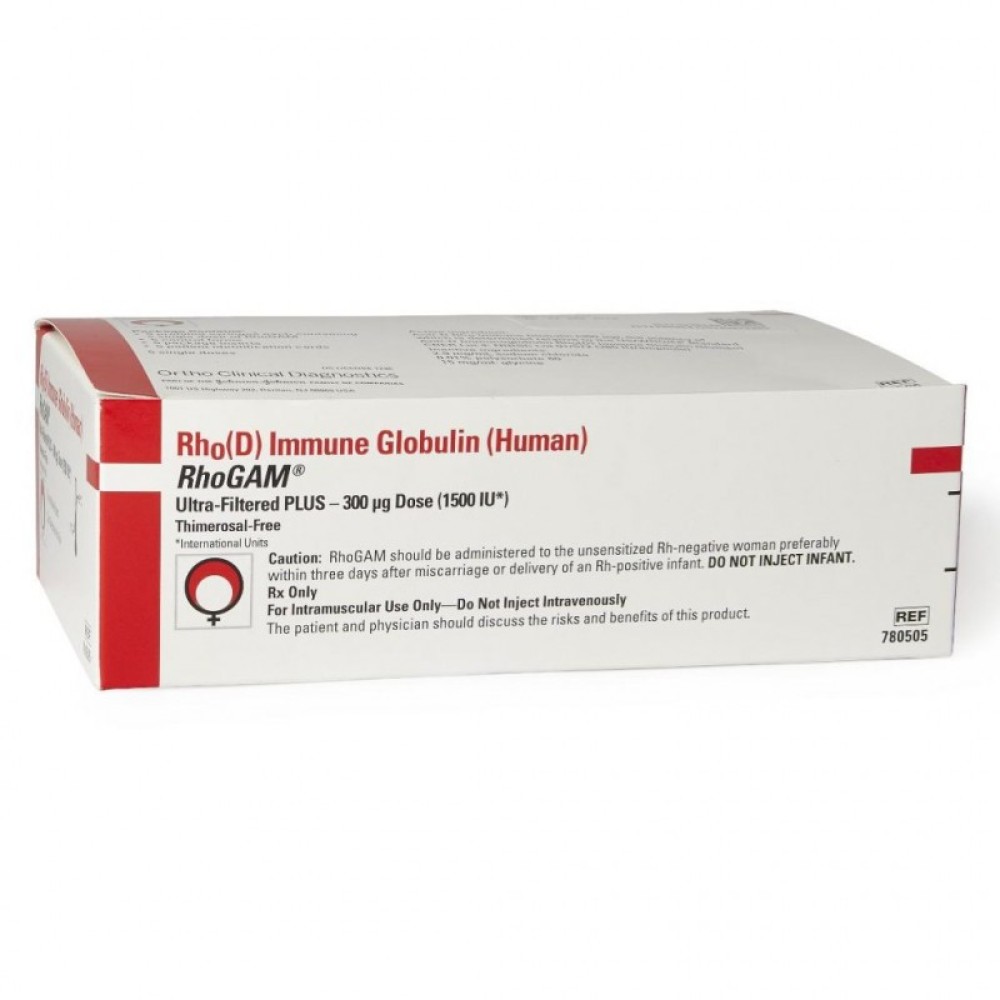
Rhogam Anti-D Hemat is typically available in a liquid form, packaged in vials for either intramuscular or intravenous injection. The specific concentration may vary based on the treatment requirements, but it is generally offered in a dosage form that allows for precise administration tailored to individual patient needs. Medical professionals must follow guidelines regarding dosage based on body weight and clinical indications, ensuring each patient receives the correct amount for optimum effectiveness.
The presentation of Rhogam Anti-D Hemat might also include information on potential side effects and contraindications. It is crucial for both healthcare providers and patients to be aware of these factors to ensure safe usage. Additionally, Rhogam Anti-D Hemat is typically part of standard care protocols for expectant mothers, making its availability an important aspect in maternal healthcare settings.
Why Choose Rhogam Anti-D Hemat Over Other Treatments?
Rhogam Anti-D Hemat stands apart from other treatments for Rh incompatibility due to its unique mechanism of action and the timing of its administration. Unlike treatments that may involve regular monitoring or invasive procedures, Rhogam Anti-D Hemat offers a simple, effective solution through a one-time injection that can provide protection for an entire pregnancy. Additionally, by preventing the sensitization of Rh-negative mothers to Rh-positive blood, it helps avoid complex medical issues associated with hemolytic disease of the newborn, which can lead to serious health problems for the baby.
Moreover, compared to alternative approaches—such as direct exchange transfusions or intrauterine blood transfusions—Rhogam Anti-D Hemat is less invasive and carries a lower risk of complications. It significantly simplifies the management of Rh-negative pregnancies, allowing for a smoother and safer experience for both mothers and infants. Therefore, for many healthcare providers, Rhogam Anti-D Hemat will often be the preferred choice in the prevention of Rh sensitization.
Long-Term Effects and Contraindications of Rhogam Anti-D Hemat
While Rhogam Anti-D Hemat is essential for many pregnant women, it is important to consider long-term effects and contraindications. Generally, the medication is deemed safe, but it is not suitable for every individual. Those allergic to any component of the medication or with a history of severe reactions to immunoglobulin therapies should avoid its use. Additionally, Rhogam Anti-D Hemat is typically contraindicated in individuals who do not have Rh-negative blood types or those who are already sensitized to Rh-positive blood.
Long-term use of Rhogam Anti-D Hemat has shown to cause minimal side effects, with most patients experiencing none. However, some may report mild reactions such as soreness at the injection site, headaches, or fever, typically resolving on their own shortly after administration. As with any medical treatment, it is crucial to regularly consult with qualified healthcare providers to assess individual health needs and to ensure appropriate use of Rhogam Anti-D Hemat.
Practical Advice for Using Rhogam Anti-D Hemat
Choosing and starting to use Rhogam Anti-D Hemat involves an informed approach and communication with healthcare professionals. For those at risk of Rh incompatibility, the first step is to confirm Rh status, which is typically done through routine blood tests during early pregnancy. If a woman is found to be Rh-negative, it is essential to discuss the use of Rhogam Anti-D Hemat with an obstetrician or midwife, especially after potential sensitizing events, such as trauma or miscarriage.
When using Rhogam Anti-D Hemat, timely administration is critical. It is recommended to administer the medication within 72 hours after exposure to Rh-positive blood. For women delivering Rh-positive babies, postpartum administration of Rhogam Anti-D Hemat is also advised to prevent future sensitization. Keeping an open dialogue with health care providers, seeking clarity on potential allergic reactions, and following recommended schedules will help ensure the effectiveness of this preventative measure.
In conclusion, understanding Rhogam Anti-D Hemat, its presentation, uses, long-term effects, and practical advice for its administration can significantly contribute to better maternal and child health outcomes. This essential treatment serves as a safeguard against Rh incompatibility, ultimately ensuring safer pregnancies and healthier infants.
| Features | |
| Acne | No |
| Active substance | Rho(D) immune globulin |
| Also known as | Rh immunoglobulin, Anti-D immune globulin |
| Aromatization | No |
| Blood pressure | No significant effects |
| Chemical name | Rho(D) Immune Globulin |
| Dosage (medical) | 50-300 Вµg or 300 Вµg at 28 weeks gestation and within 72 hours of delivery |
| Dosage (sports) | Not applicable |
| Effects | Prevents the immune system of Rh-negative individuals from producing antibodies against Rh-positive blood cells |
| Formula | Not applicable (complex biological mixture) |
| Half-life | 3 to 4 weeks |
| HBR | No |
| Hepatotoxicity | No |
| Lab Test | Coombs test |
| Main action | Prevention of Rh immunization |
| Side effects | Soreness at injection site, slight fever, allergic reactions |
| Storage conditions | Store at 2-8В°C (36-46В°F), do not freeze |
| Substance class | Immunoglobulin |
| Trade name | RhoGAM, WinRho SDF |
| Use in sports | Not applicable |
| WAREHOUSE | International Warehouse 2 |
| Water Retention | No |
| Manufacturer | Hemat |