
USA Okamet 500 mg Cipla
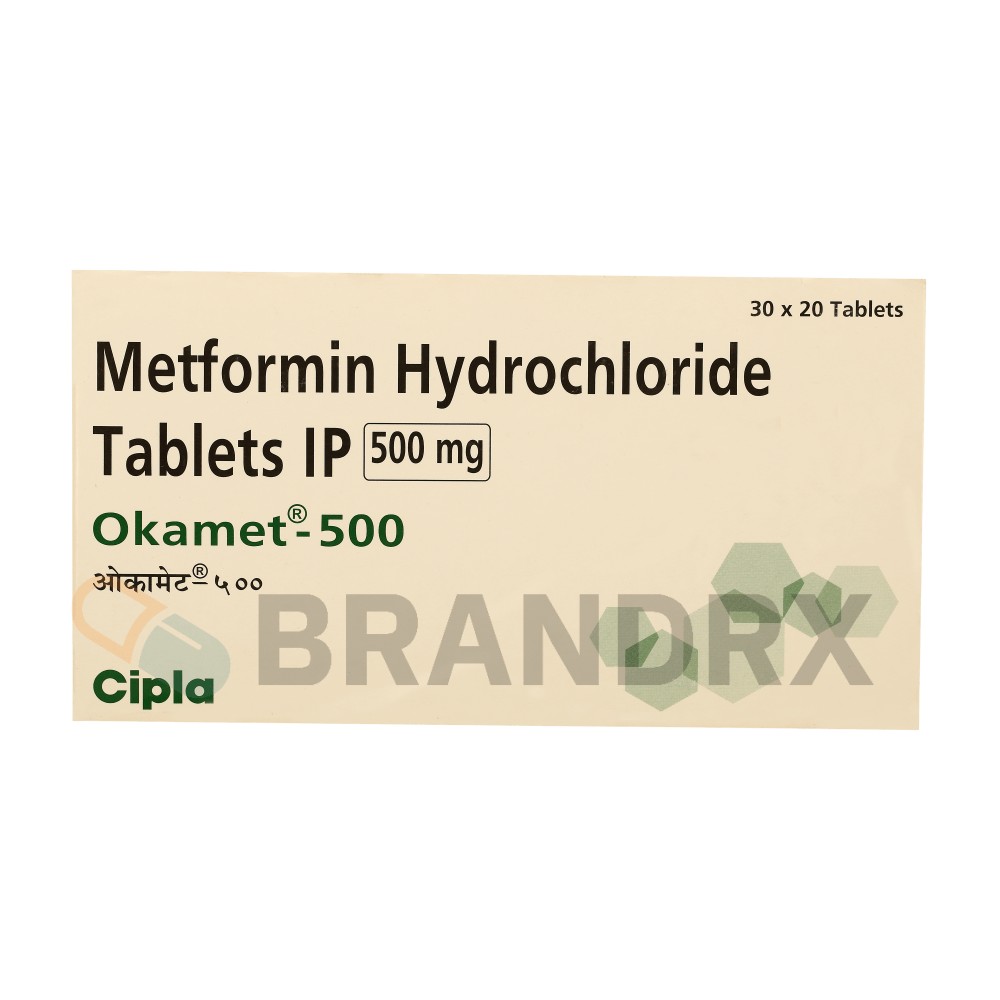
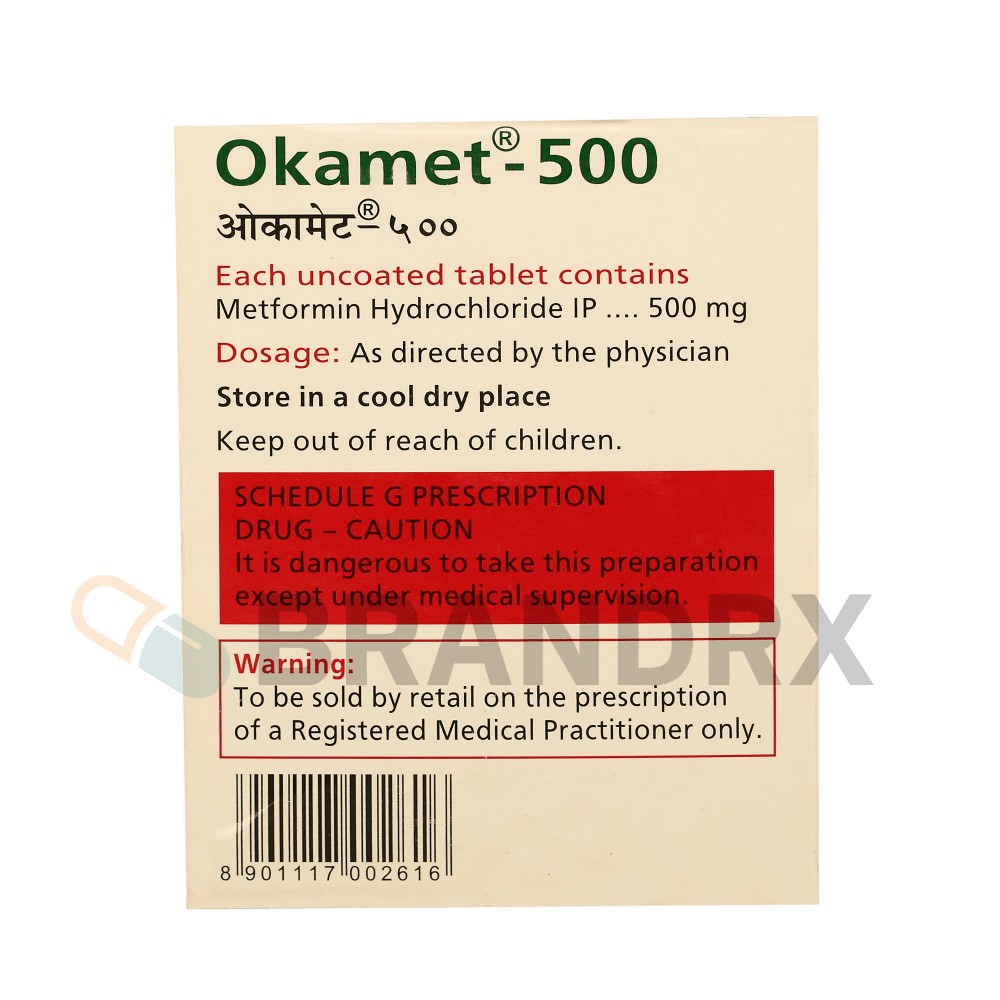
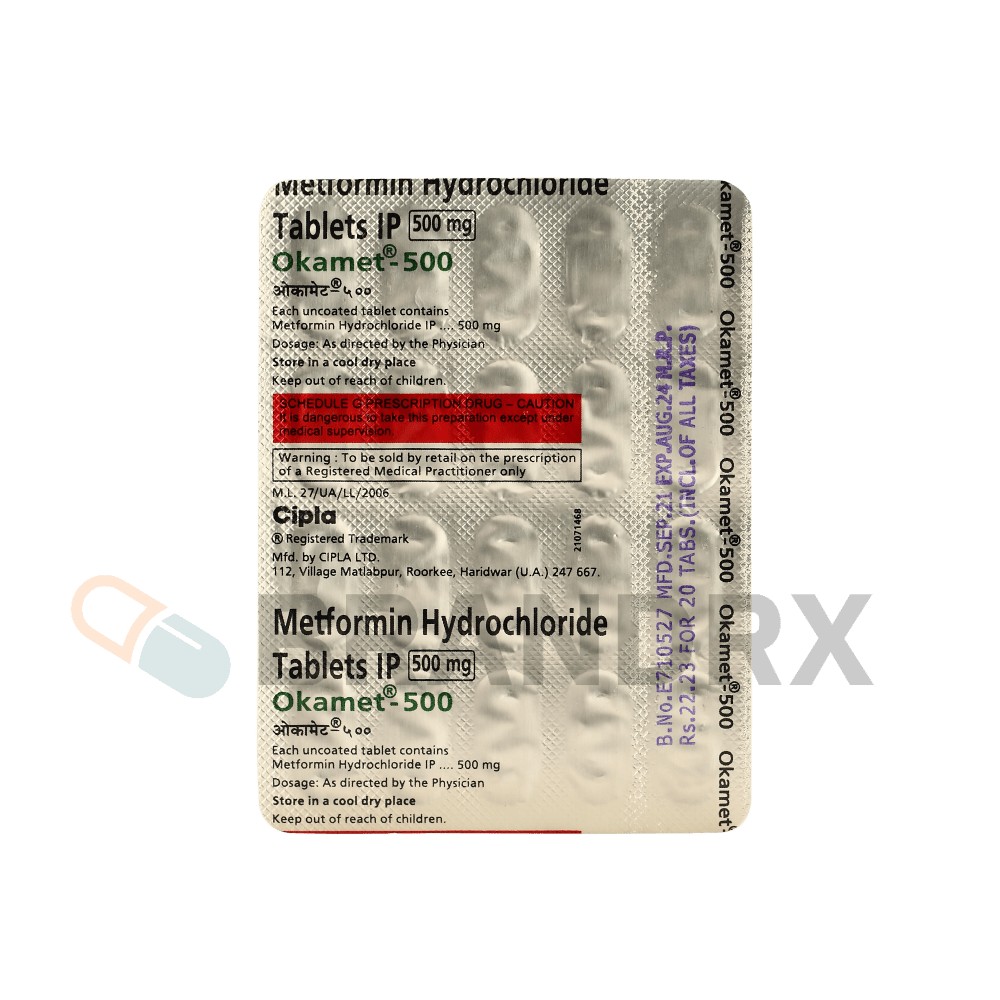
Define Okamet 500 mg Cipla and Explain Its General Purpose
Okamet 500 mg Cipla is a pharmaceutical preparation primarily used in the management of type 2 diabetes mellitus. This medication contains Metformin hydrochloride as its active ingredient, which acts by enhancing insulin sensitivity, decreasing hepatic glucose production, and improving peripheral glucose uptake and utilization. As a result, Okamet helps control blood sugar levels in individuals diagnosed with this condition. It is often prescribed as part of a comprehensive treatment regimen that includes dietary changes, regular physical activity, and sometimes other antidiabetic agents.
Type 2 diabetes is a metabolic disorder characterized by insulin resistance, which leads to elevated glucose levels in the bloodstream. By introducing Okamet 500 mg Cipla into the treatment plan, healthcare professionals aim to optimize glycemic control, thus reducing the risks associated with hyperglycemia, including long-term complications such as cardiovascular disease, kidney damage, and neuropathy. The use of this medication reflects a broader understanding of diabetes management, where medication is combined with lifestyle modifications to achieve the best possible outcomes for patients.
Describe How Okamet 500 mg Cipla Fits into Broader Treatment Strategies or Usage Approaches
The role of Okamet 500 mg Cipla extends beyond mere glucose control; it is a crucial component of a multifaceted approach to managing type 2 diabetes. Healthcare providers often view diabetes treatment through a holistic lens, where pharmacotherapy, behavioral modifications, and patient education work synergistically. This helps patients understand their condition, the importance of adherence to treatment, and the essential role of lifestyle changes.
Typically, the treatment strategy for type 2 diabetes may begin with non-pharmacological interventions, including diet and exercise. If glucose levels remain uncontrolled, the introduction of medication like Okamet 500 mg Cipla becomes necessary. It may be used as a monotherapy or in combination with other medications, such as sulfonylureas or insulin, depending on the severity of the condition and individual patient needs. By including Okamet in their treatment protocols, healthcare providers can personalize diabetes management based on patient characteristics, preferences, and glycemic targets.
Explain the Advantages Users Typically Expect from This Preparation
Users of Okamet 500 mg Cipla can expect several advantages that can significantly improve their overall well-being and diabetes management. Some of the key benefits include:
- Effective Glycemic Control: Okamet helps efficiently manage blood sugar levels, reducing the incidence of hyperglycemic episodes.
- Weight Management: Unlike some other diabetic medications, Metformin is often associated with weight stability or modest weight loss, making it a favorable option for overweight patients.
- Cardiovascular Benefits: Studies suggest that Metformin may reduce the risk of cardiovascular events in individuals with type 2 diabetes.
- Convenience and Accessibility: Okamet 500 mg Cipla is widely available and can be easily incorporated into daily routines.
- Long-Term Use: With a well-established safety profile, Okamet can be used as a long-term treatment option for managing diabetes without significant adverse effects in most patients.
These advantages underscore the importance of Okamet in the therapeutic landscape for type 2 diabetes and highlight why it remains a preferred choice among healthcare professionals and patients alike.
Discuss Risks, Precautions, and Contraindications for Use of This Preparation
While Okamet 500 mg Cipla presents numerous advantages, it is essential to be aware of the potential risks and contraindications associated with its use. As with any medication, certain precautions should be taken to ensure patient safety. Side effects such as gastrointestinal issues, including diarrhea, nausea, and abdominal discomfort, are commonly reported. These side effects often diminish over time or with adjusted dosing. However, if severe symptoms occur, medical advice should be sought immediately.
Specific contraindications for the use of Okamet include patients with severe renal impairment, active liver disease, or a history of metabolic acidosis, including diabetic ketoacidosis. Furthermore, caution should be exercised in patients undergoing imaging procedures that involve iodinated contrast agents, as this may increase the risk of lactic acidosis. Regular monitoring of kidney function is advised for patients using this medication, particularly those who are older or have existing renal conditions.
Conclude with Guidance on How Users Should Approach Understanding and Using Okamet 500 mg Cipla Responsibly
In conclusion, users should approach Okamet 500 mg Cipla with a well-informed perspective, recognizing both its benefits and risks. Effective diabetes management involves ongoing education about the condition and active participation in treatment decisions. Patients should engage in regular discussions with their healthcare providers, ensuring they understand their treatment plan and the role that Okamet plays within it.
When starting Okamet, it is vital to adhere to prescribed dosages and follow up on any recommended laboratory tests, particularly those assessing kidney function. Lifestyle modifications, including a balanced diet and consistent exercise, should complement the medication for optimal results. Lastly, individuals should not hesitate to reach out to their doctors with any questions or concerns regarding side effects or any changes in their health status. By taking a proactive and informed approach, users can maximize the therapeutic benefits of Okamet 500 mg Cipla in their journey towards managing type 2 diabetes effectively.
| Features | |
| Also known as | Metformin HCL |
| Blood pressure | Can lead to a slight reduction in blood pressure |
| Chemical name | Metformin hydrochloride |
| Dosage (medical) | Typically starting at 500 mg twice a day or 850 mg once a day, up to a maximum of 2000-2550 mg per day depending on the patient's response and tolerance |
| Dosage (sports) | Not typically prescribed for sports enhancement |
| Effects | Reduces hepatic glucose production, decreases intestinal absorption of glucose, and improves insulin sensitivity by increasing peripheral glucose uptake and utilization |
| Formula | C4H11N5В·HCl |
| Half-life | Approximately 6.2 hours |
| Hepatotoxicity | Low risk |
| Lab Test | Monitoring of renal function and serum electrolytes recommended |
| Main action | Antihyperglycemic agent |
| Side effects | Gastrointestinal disturbances (such as diarrhea, nausea, vomiting), vitamin B12 deficiency, lactic acidosis (rare but serious) |
| Storage conditions | Store at room temperature, away from moisture and light |
| Strength | 500 mg |
| Substance class | Biguanide |
| Trade name | Glucophage, Glumetza, others |
| Use in sports | Not commonly used as a performance enhancer, but some athletes might use it for weight management |
| Water Retention | Does not cause significant water retention |
| Manufacturer | Cipla |