
USA Mikacin Injection 100 mg Pharmaceutical
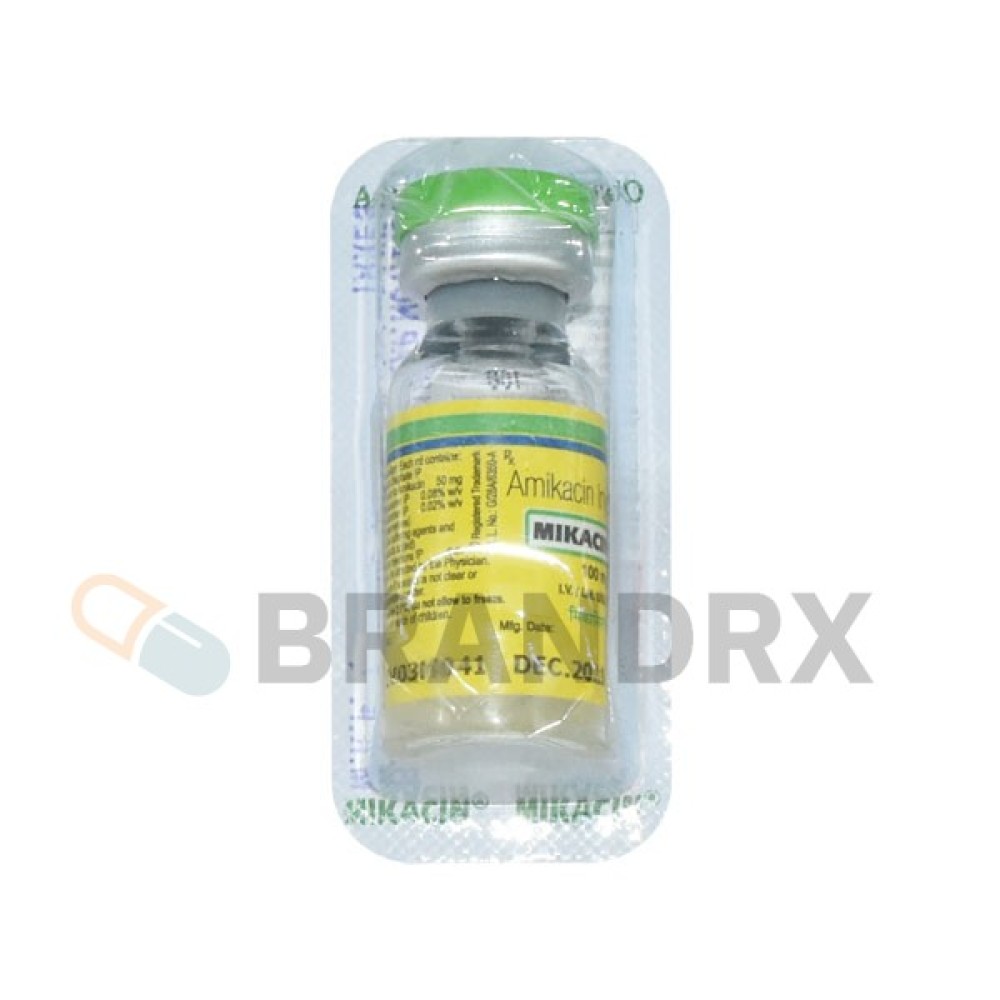
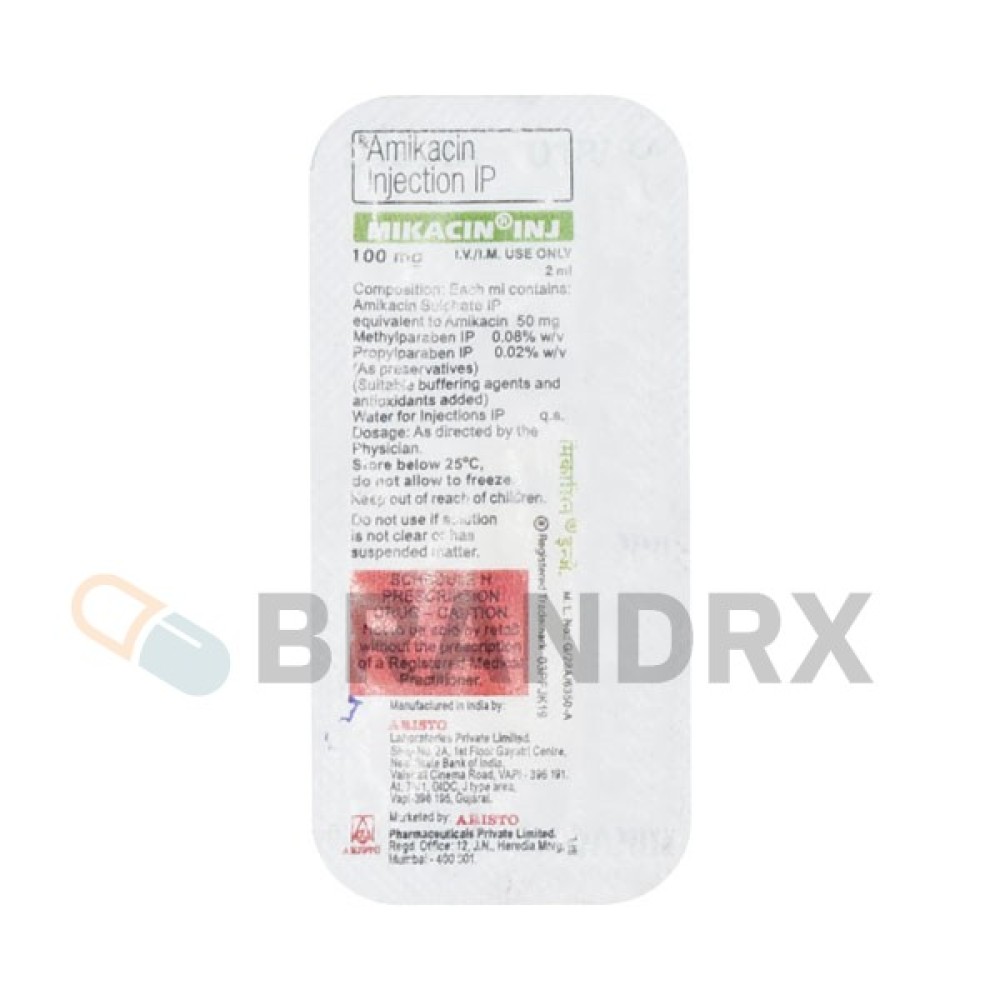
Properties of Mikacin Injection 100 mg Pharmaceutical and its practical value
Mikacin Injection 100 mg Pharmaceutical is an effective aminoglycoside antibiotic that plays a crucial role in managing various bacterial infections. It is particularly valuable in treating severe infections caused by susceptible strains of bacteria, including Gram-negative organisms. This medication is often indicated in serious cases such as sepsis, pneumonia, and infections associated with burns or complicated urinary tract infections. By inhibiting protein synthesis in bacteria, Mikacin works to eliminate the infection, offering a vital solution to health complications that could otherwise escalate into more severe conditions.
The practical needs addressed by Mikacin Injection are numerous. For healthcare providers, it supplies a robust option when other antibiotics may not be effective. For patients, it provides a chance to combat life-threatening infections that require potent treatment. As part of critical care protocols, Mikacin Injection ensures that medical professionals have access to effective therapeutic options, thus contributing to improved patient outcomes and reducing overall healthcare costs associated with prolonged illnesses.
How to choose a suitable dosage and considerations related to use
When considering the use of Mikacin Injection, proper dosage selection is essential for optimizing therapeutic outcomes while minimizing potential side effects. The appropriate dosage of Mikacin may vary depending on factors such as the patient’s age, renal function, the type and severity of the infection, and body weight. Typically, the typical range for dosages begins at 15 mg/kg/day, which may be divided into equal doses every eight hours, but adjustments are needed based on clinical response and renal clearance.
It is important to understand that the administration of Mikacin requires careful monitoring for effectiveness and potential side effects, including nephrotoxicity and ototoxicity. Therefore, consultation with a qualified doctor or specialist is crucial before starting treatment with Mikacin Injection. This ensures that any underlying conditions are addressed and that patients receive personalized care tailored to their specific needs. Appropriate evaluations such as kidney function tests and hearing tests might also be necessary to mitigate risks associated with its use.
Main positive effects of Mikacin Injection 100 mg Pharmaceutical
The use of Mikacin Injection 100 mg Pharmaceutical presents several positive effects that support its inclusion in treatment regimens. These benefits are primarily observed in patients suffering from severe bacterial infections where alternative treatments may be ineffective. The following key benefits highlight its effectiveness and importance in clinical settings:
- Broad-spectrum activity against Gram-negative bacteria, making it valuable for treating complex infections.
- Rapid bactericidal action, which contributes to quicker resolution of infections and improved patient recovery times.
- Effectiveness in cases of multidrug-resistant bacteria, providing a viable option when other antibiotics fail.
- Potential for use in combination therapy with other antibiotics to enhance treatment outcomes.
- Well-established dosing protocols and guidelines that facilitate its incorporation into clinical practice.
Overall, the main positive effects reflect Mikacin’s role as a potent antibiotic, underscoring its necessity in modern medicine for managing severe infectious diseases.
Contraindications and important limitations of use
Despite its many benefits, Mikacin Injection is not suitable for everyone. There are specific contraindications that healthcare professionals must consider before prescribing this medication. Patients with a known hypersensitivity to aminoglycoside antibiotics should avoid using Mikacin to prevent adverse allergic reactions. Additionally, individuals with pre-existing kidney conditions are at an increased risk of nephrotoxic effects and should be closely monitored if treatment with Mikacin is deemed necessary.
Pregnant women should be cautious when considering the use of Mikacin Injection due to potential risks to the fetus. The same caution applies to breastfeeding mothers, as the drug may be excreted in breast milk and affect nursing infants. Other groups such as minors should only be treated with Mikacin under strict medical supervision. These considerations are critical for ensuring patient safety and optimizing treatment efficacy.
Where to purchase Mikacin Injection 100 mg Pharmaceutical in the USA
Acquiring Mikacin Injection 100 mg Pharmaceutical in the USA involves understanding where to find this essential medication. It is important for patients and healthcare providers to explore options that ensure the purchase is made from reputable sources. Typically, Mikacin Injection is available at hospitals, pharmacies, and authorized medical distributors. It is essential to obtain the medication through licensed channels to guarantee quality and authenticity.
| Features | |
| Also known as | BB-K8 |
| Blood pressure | No direct effect |
| Chemical name | (2S)-4-Amino-N-[(2S,3S,4R,5S)-5-amino-2-[(2S,3R,4R,5R,6S)-4-amino-3,5-dihydroxy-6-(hydroxymethyl)oxan-2-yl]oxy-3-hydroxy-4-methylcyclohexyl]-2-hydroxybutanamide |
| Dosage (medical) | Typically 15 mg/kg/day divided into 2 or 3 doses |
| Dosage (sports) | Not applicable |
| Effects | Effective against a wide range of gram-negative bacteria and certain gram-positive bacteria |
| Formula | C22H43N5O13 |
| Half-life | 2 to 3 hours |
| Hepatotoxicity | None |
| Lab Test | Serum levels monitoring (peak and trough) |
| Main action | Bactericidal, inhibits protein synthesis |
| Side effects | Nephrotoxicity, ototoxicity, neuromuscular blockade |
| Storage conditions | Store at room temperature, protect from light |
| Strength | 100 mg |
| Substance class | Aminoglycoside antibiotic |
| Trade name | Amikin |
| Use in sports | None |
| Water Retention | None |
| Manufacturer | Pharmaceutical |