
USA Keppra 250 mg Pharmaceutical
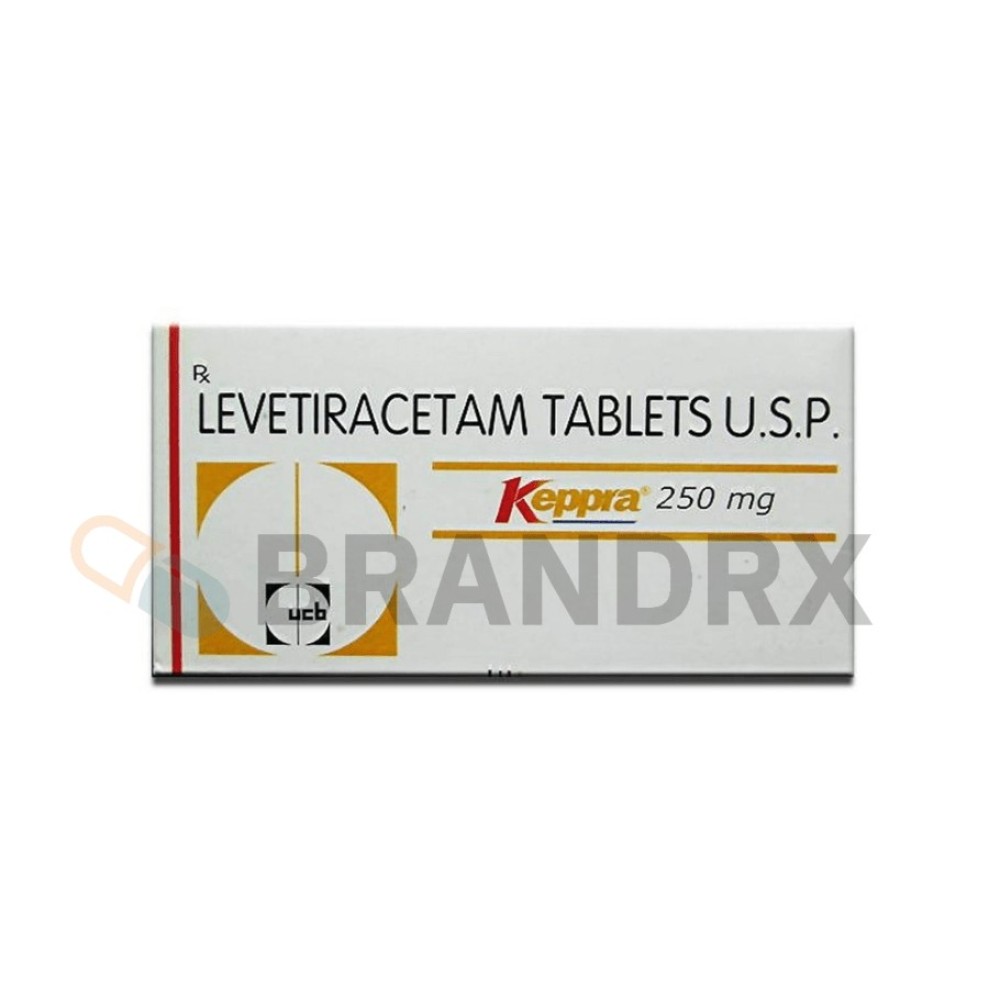


Keppra 250 mg Pharmaceutical: Overview and Purpose
Keppra 250 mg Pharmaceutical, generically known as levetiracetam, is a prescription medication primarily prescribed for the treatment of seizures associated with epilepsy. This anticonvulsant helps to stabilize electrical activity in the brain, which can prevent the onset of seizures. Keppra is often utilized in conjunction with other medications to provide a comprehensive strategy for managing epilepsy. The primary purpose of Keppra 250 mg is to reduce both the frequency and intensity of seizures in individuals diagnosed with this condition, enhancing their quality of life and functional capabilities. With the increasing prevalence of epilepsy and seizure disorders, Keppra has become a vital component in the therapeutic arsenal for neurologists and general practitioners.
Intended Audience and Usage Context
Keppra 250 mg Pharmaceutical is intended for adults and children aged one year and older who have been diagnosed with epilepsy. It may be recommended for patients suffering from various types of seizures, including partial-onset seizures, myoclonic seizures, and generalized tonic-clonic seizures. The medication is typically prescribed after careful evaluation of an individual's condition, including a detailed medical history and a review of any previous treatments. It is crucial for potential users to consult with a doctor or specialist before starting Keppra to ensure that it is an appropriate option based on their specific situation.
Certain populations may not be suitable candidates for Keppra 250 mg Pharmaceutical. For instance, pregnant women are often advised against using levetiracetam unless the benefits outweigh the risks, as it may affect fetal development. Additionally, individuals with a history of hypersensitivity to levetiracetam or any of its components should avoid this medication. Children under one year old, particularly those who have not been evaluated for specific seizure types, may also be at risk for adverse effects if Keppra is administered without thorough professional guidance.
Key Benefits of Keppra 250 mg Pharmaceutical
Keppra 250 mg Pharmaceutical offers several key benefits that make it a suitable choice for individuals dealing with epilepsy. The medication is particularly useful for those who experience difficult-to-manage seizure disorders that require a tailored approach. The following list outlines some of the primary benefits and populations for whom Keppra may be appropriate:
- Effective reduction in seizure frequency and intensity
- Available in various formulations, including tablets and oral solutions
- Well-tolerated by most patients with fewer side effects compared to traditional anticonvulsants
- Can be used as a monotherapy or in combination with other anti-seizure medications
- Suitable for children and adults, thus catering to a diverse patient population
This versatility makes Keppra a prevalent choice in neurological practices and hospitals. Many healthcare providers value its efficacy and manageable side-effect profile, which allows for continuous monitoring and adjustment of dosages as needed.
Core Value and Benefits of Keppra 250 mg Pharmaceutical
The core value of Keppra 250 mg Pharmaceutical lies in its ability to improve overall patient outcomes. By significantly diminishing the occurrence of seizures, Keppra enhances the quality of life for those managing epilepsy. Patients often notice improvements in their ability to engage in daily activities, socialize, and maintain employment, which may have been previously hindered by uncontrolled seizures. Furthermore, Keppra’s relatively favorable safety profile promotes adherence to treatment regimens, minimizing the risk of side effects that can deter patients from continuing their medication.
In summary, Keppra 250 mg Pharmaceutical stands out as an essential antiepileptic drug that addresses a critical need for those living with epilepsy. Its benefits extend beyond just seizure management; they encompass an improved sense of normalcy and empowerment for many patients, allowing them to navigate life’s challenges with enhanced confidence.
| Features | |
| Also known as | Levetiracetam |
| Blood pressure | Generally has no significant effect on blood pressure |
| Chemical name | (S)-О±-Ethyl-2-oxo-1-pyrrolidineacetamide |
| Dosage (medical) | Typically starts at 500 mg twice daily, adjustable based on patient response and needs |
| Dosage (sports) | Not applicable, as it is not used to enhance athletic performance |
| Effects | Reduces the frequency of seizures |
| Formula | C8H14N2O2 |
| Half-life | Approximately 6 to 8 hours |
| Hepatotoxicity | Low risk |
| Lab Test | Monitoring levels is not typically required but may be done in specific cases |
| Main action | Acts on synaptic vesicle protein SV2A, which modulates neurotransmitter release |
| Side effects | May include dizziness, fatigue, drowsiness, irritability, and coordination difficulties |
| Storage conditions | Store at room temperature, away from light and moisture |
| Strength | 250 mg |
| Substance class | Anticonvulsant |
| Trade name | Keppra |
| Use in sports | Not recognized for use in sports |
| Water Retention | Negligible |
| Manufacturer | Pharmaceutical |