
USA Januvia 50 mg MSD
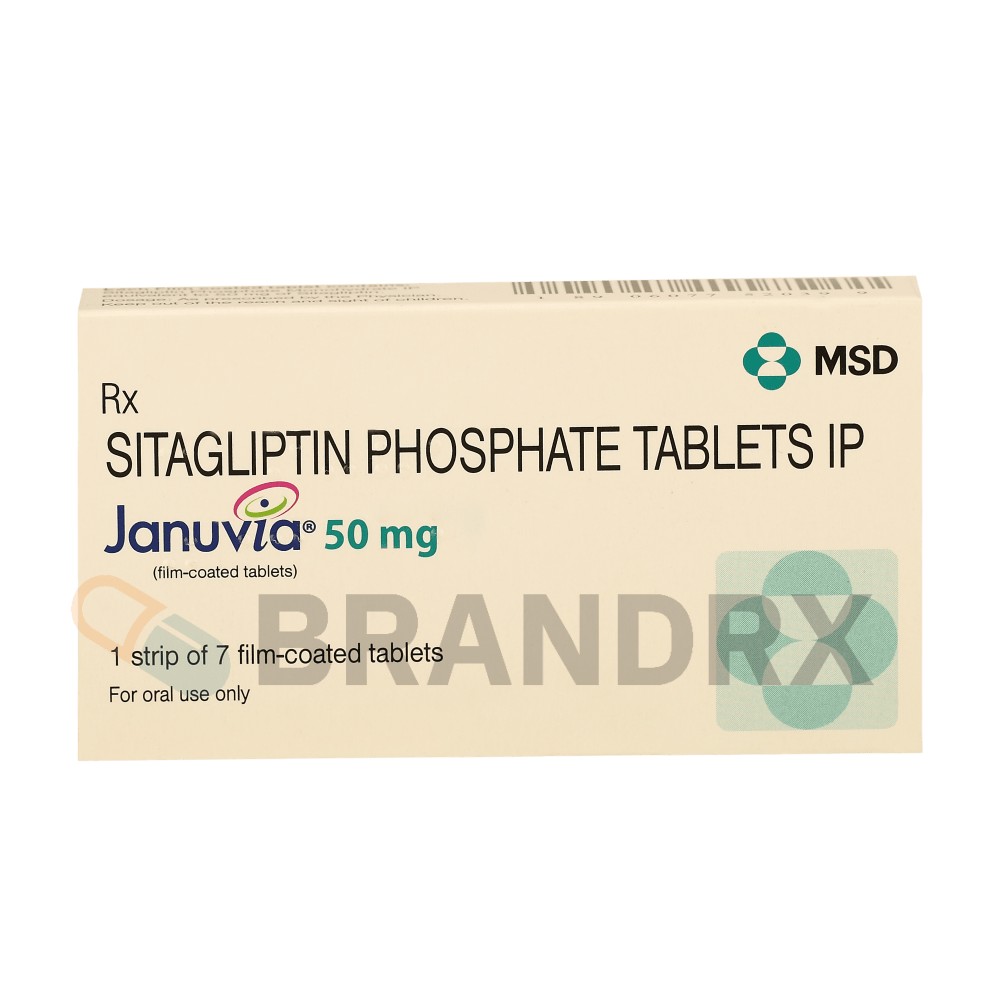

Understanding Januvia 50 mg MSD for Better Health Management
Managing diabetes can be a challenging journey for many individuals. Patients frequently seek effective ways to control their blood sugar levels, improve their overall health, and lead fulfilling lives. Januvia 50 mg MSD is designed to assist people with type 2 diabetes in achieving these goals. However, misconceptions about its use may lead some patients to underestimate its role in their treatment plans. It is critical to recognize that while Januvia is not a substitute for diet and exercise, it is a valuable addition to a comprehensive diabetes management strategy. Those taking this medication often aspire to maintain their energy levels, reduce reliance on insulin injections, and enhance their well-being.
The Mechanism of Action Behind Januvia 50 mg MSD
Januvia 50 mg MSD works primarily by enhancing the body's natural ability to lower sugar levels in the blood. It is categorized as a DPP-4 inhibitor, which means it blocks the enzyme dipeptidyl peptidase-4. This enzyme breaks down incretin hormones, which play a vital role in regulating glucose levels after meals. By inhibiting this enzyme, Januvia allows incretins to remain active longer, promoting increased insulin secretion by the pancreas and decreased glucagon secretion. The result is a more stabilized blood glucose level, particularly after eating. For patients managing diabetes, this means fewer spikes in glucose levels and overall better control of their condition. Understanding the science behind the medication is crucial for maximizing its benefits and ensuring it is used effectively in conjunction with other lifestyle adjustments.
Evaluating the Use of DPP-4 Inhibitors in Diabetes Treatment
While Januvia 50 mg MSD offers numerous advantages, it is important to recognize its limitations and potential contraindications. Not all patients with type 2 diabetes will benefit from this medication, as individual responses can vary significantly. For instance, those with a history of pancreatitis may need to avoid this medication, and it is not suitable for type 1 diabetes or diabetic ketoacidosis. Additionally, potential side effects, such as upper respiratory infections or gastrointestinal issues, can occur and should not be overlooked. Regular consultation with healthcare providers is essential for any patient considering Januvia, as they can offer personalized advice based on medical history and overall health status. Monitoring for effectiveness as well as any adverse reactions should become a regular part of the management plan. This proactive approach ensures that therapy remains both safe and effective for each patient.
Considerations for Safe Use of Diabetes Medications
Diabetes treatment is not one-size-fits-all, and understanding how medications like Januvia 50 mg MSD fit into a broader health strategy is vital. Patients should communicate openly with their healthcare providers about their current medications, lifestyle habits, and any other health conditions. This transparency helps in determining whether Januvia is a suitable option for them. Education about potential interactions with other medications can further empower patients to make informed decisions regarding their treatment. It is crucial to have discussions about how lifestyle changes, including diet and exercise, work in conjunction with medications to promote better health outcomes. For those exploring options like Januvia, avoiding self-diagnosis or self-treatment is key to a successful therapeutic experience.
Exploring the Benefits of Januvia 50 mg MSD
In concluding the exploration of Januvia 50 mg MSD, it’s important for patients to navigate their treatment plan confidently. This medication can be instrumental in managing type 2 diabetes when used correctly and in the right context. If you are considering incorporating Januvia into your diabetes management routine, you are encouraged to visit this preparation page for comprehensive information. Key features include dosage guidelines, potential side effects, patient testimonials, and further details on how Januvia interacts with lifestyle changes. Understanding all aspects of this medication empowers patients to take control of their diabetes management. So whether you are new to diabetes treatment or reassessing your options, this page serves as a resource to help you make an informed choice about your health.
| Features | |
| Active substance | Sitagliptin |
| Also known as | 7-[(3R)-3-Amino-1-oxo-4-(2,4,5-trifluorophenyl)butyl]-5,6,7,8-tetrahydro-3-(trifluoromethyl)-1,2,4-triazolo[4,3-a]pyrazine phosphate (1:1) |
| Blood pressure | Generally has a neutral effect on blood pressure |
| Chemical name | Sitagliptin phosphate |
| Dosage (medical) | Typically 100 mg once daily |
| Dosage (sports) | Not applicable |
| Effects | Improves blood glucose control |
| Formula | C16H15F6N5O•H3PO4 |
| Half-life | Approximately 12.4 hours |
| Hepatotoxicity | Low risk |
| Lab Test | Monitoring of blood glucose and HbA1c levels |
| Main action | Increases insulin release and decreases glucagon levels in a glucose-dependent manner |
| Side effects | Nasopharyngitis, headache, upper respiratory tract infection, hypoglycemia (when used with other antidiabetics) |
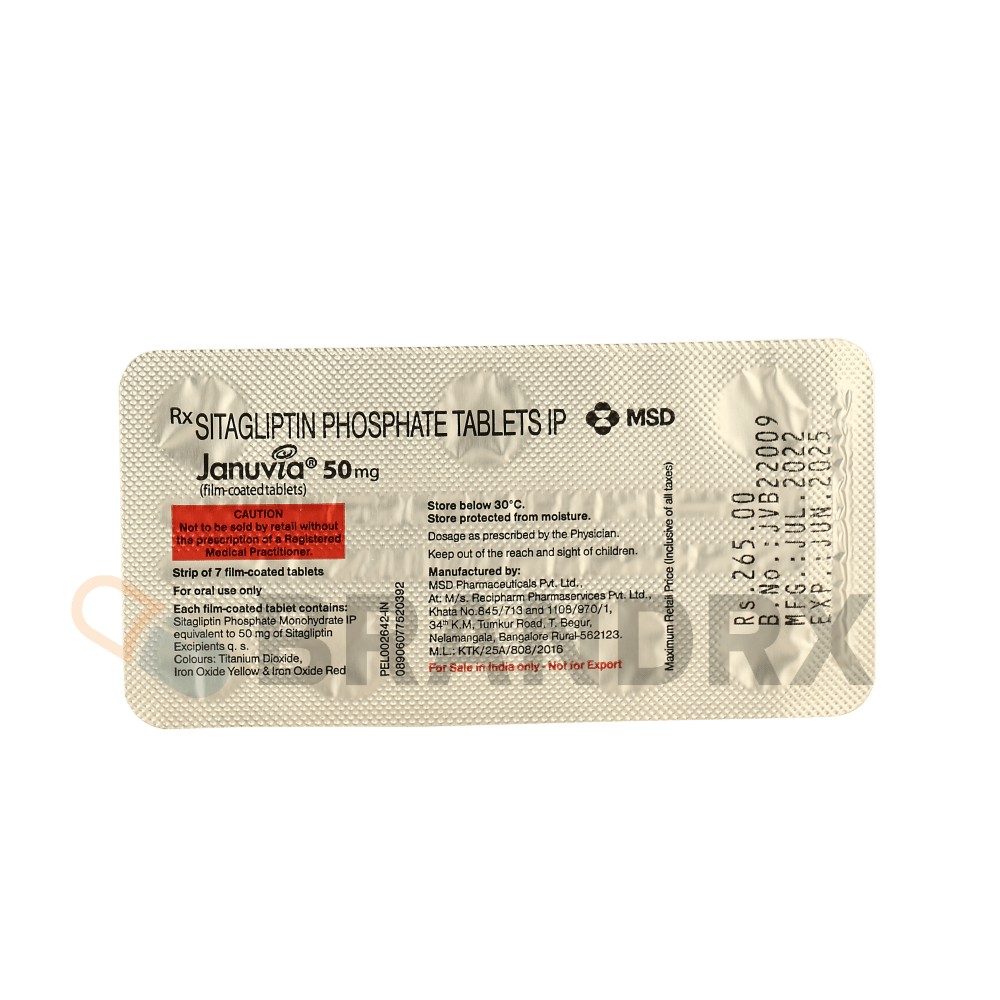
| Storage conditions | Store at room temperature, away from moisture and heat |
| Strength | 50mg |
| Substance class | Dipeptidyl peptidase-4 (DPP-4) inhibitor |
| Trade name | Januvia |
| Use in sports | Not typically used in sports |
| Water Retention | No significant effect |
| Manufacturer | MSD |
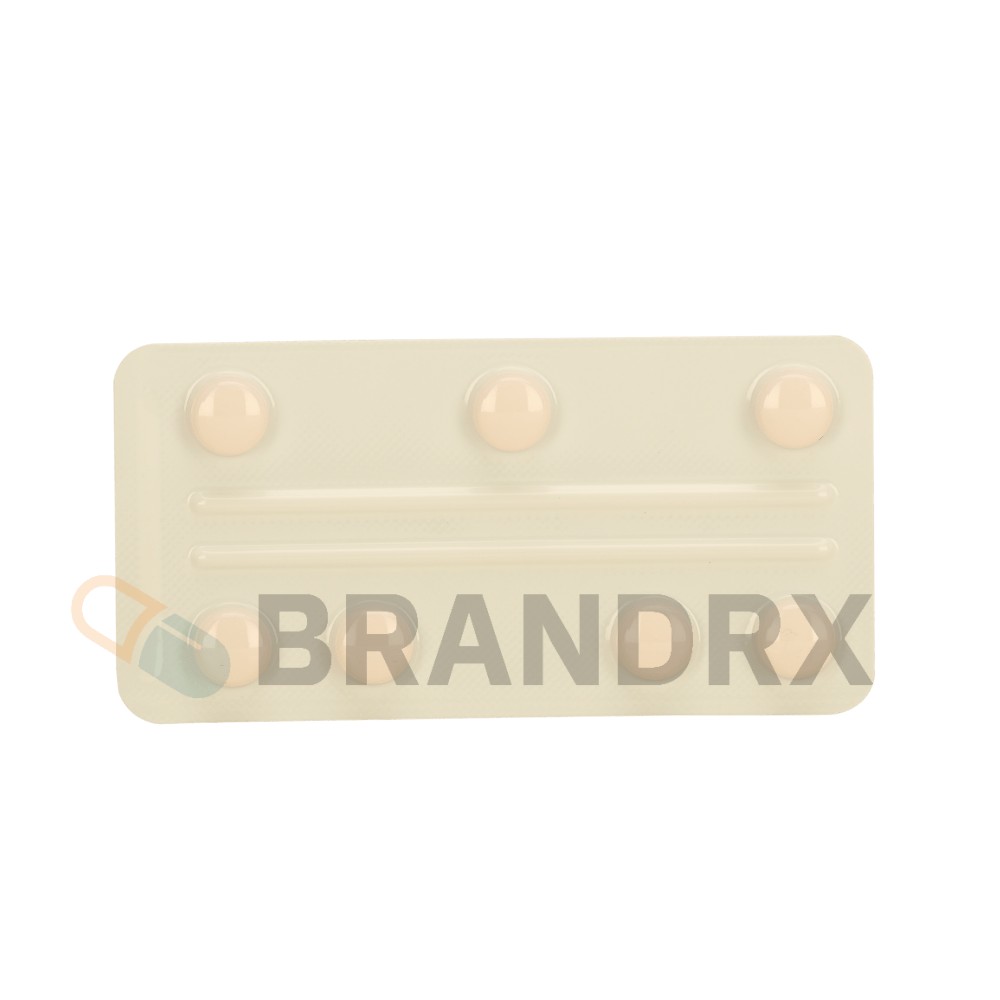
| Packing | 7 tabs/pack |