
USA Januvia 100 mg MSD
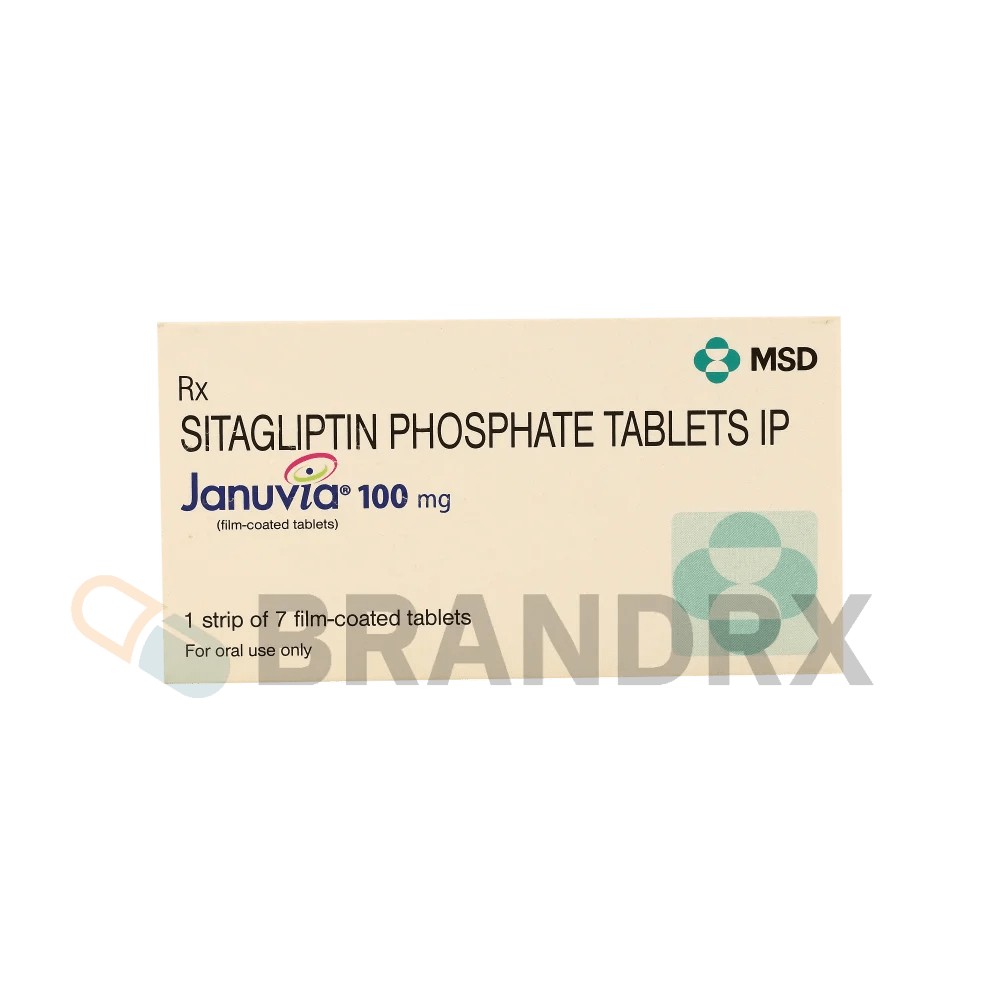
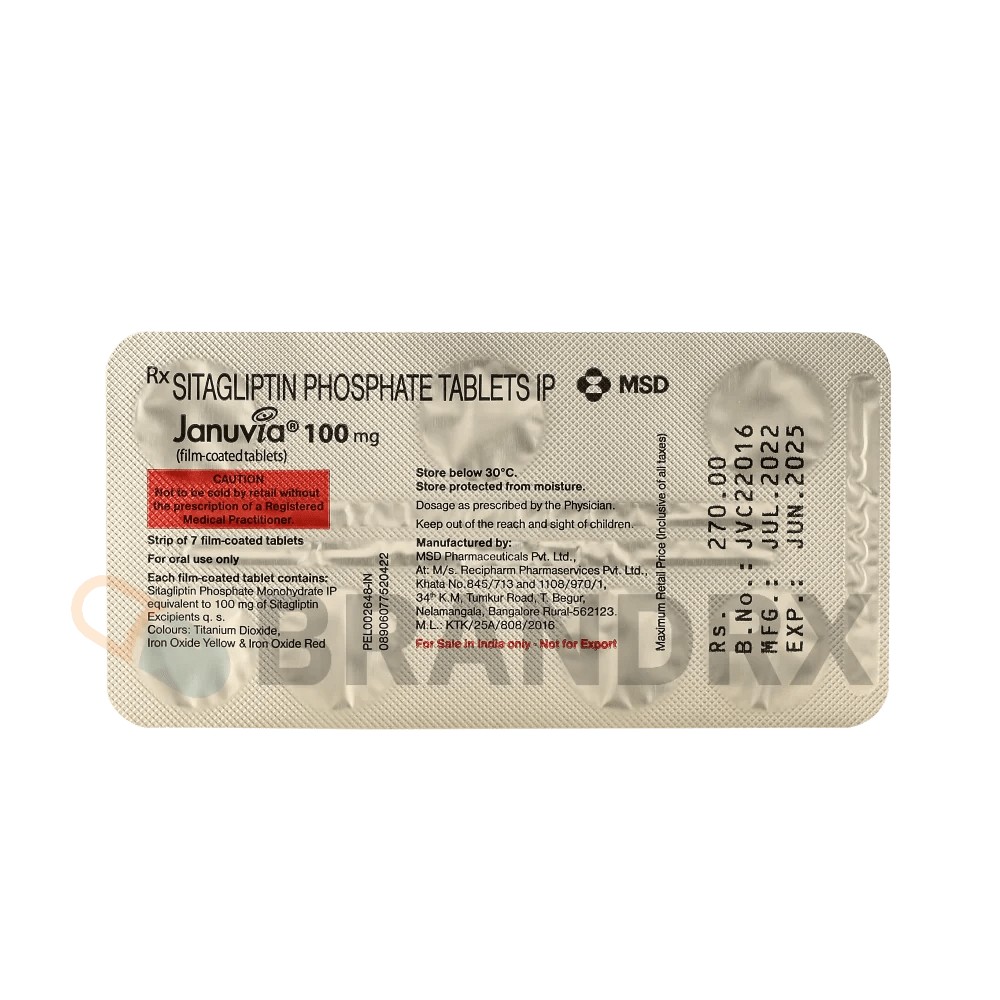
Understanding the Role of Januvia 100 mg MSD for Diabetes Management
For many individuals diagnosed with type 2 diabetes, achieving stable blood sugar levels while maintaining a healthy lifestyle is a common goal. Users often seek effective medication solutions to contribute to their overall management plan, which typically includes diet, exercise, and regular monitoring. A significant misconception surrounding medications for diabetes is that they are a standalone solution that does not require lifestyle changes. In reality, while medications like Januvia 100 mg MSD can significantly aid in controlling blood sugar levels, they work best when combined with a comprehensive approach that includes diet, exercise, and consultation with healthcare professionals. Understanding how to effectively use Januvia 100 mg MSD as part of a multifaceted diabetes management plan can lead to better health outcomes and improved quality of life.
Mechanism of Action of Diabetes Medications
Januvia 100 mg MSD, known generically as sitagliptin, belongs to a class of medications called DPP-4 inhibitors. These medications play a crucial role in the enhancement of the body's natural incretin hormones, which are instrumental in the regulation of blood sugar levels. DPP-4 inhibitors work by increasing the levels of these hormones, thereby promoting insulin secretion in response to meals and reducing excessive glucose production in the liver. This dual action helps maintain lower blood sugar levels after meals and throughout the day. It is important to note that while Januvia 100 mg MSD may assist in achieving a more normalized glucose level, the efficacy can depend on individual metabolic factors, including weight, age, and other health conditions. Monitoring these parameters can help users and their healthcare providers adjust treatment effectively to find the optimal therapeutic approach.
Precautions and Considerations for Effective Use
While Januvia 100 mg MSD can be an effective component of diabetes management, there are essential considerations to be aware of before starting this medication. Individuals considering the use of Januvia 100 mg MSD should consult a healthcare professional to review their medical history, as well as any current medications they might be taking. Contraindications can include a history of pancreatitis, diabetic ketoacidosis, or severe hypersensitivity to the active ingredient or any of its excipients. Additionally, it is crucial to inform the healthcare provider of any kidney-related issues, as dosage adjustments may be necessary for individuals with renal impairment. For the best outcomes, users must engage in ongoing discussions with their healthcare team to monitor their health and any potential side effects or complications that may arise during treatment. Safety and effectiveness are best ensured through collaboration and vigilance in health management.
Exploring the Benefits of Diabetes Management Solutions
Diving deeper into diabetes management, it is essential for users to understand that treatments like Januvia 100 mg MSD are not the only options available. Various medications exist, each with different mechanisms of action and side effect profiles. Users are encouraged to familiarize themselves with their choices, both pharmacological and lifestyle-based, in order to determine what works best for their individual circumstances. Information can be found on healthcare sites and through discussions with diabetes educators or certified health coaches. The goal is to empower users with knowledge and support so that they can make informed decisions about their health. Such engagement can lead to more effective management strategies and improved health outcomes, enriching users’ daily lives.
Guiding Your Journey with Januvia 100 mg MSD
To navigate through the information available regarding Januvia 100 mg MSD, users can access product pages and educational resources that detail dosing, safety precautions, and additional therapy options. A thorough review of patient guides, product insert information, and professional recommendations is essential for understanding the full scope of this medication. Users should not hesitate to reach out to healthcare professionals with questions or concerns regarding their treatment journey. A proactive approach that includes seeking information and asking questions will serve users well in their fight against diabetes. Such diligence not only facilitates optimal use of Januvia 100 mg MSD but also enhances the overall management of type 2 diabetes, leading to improved health outcomes and well-being.
| Features | |
| Active substance | Sitagliptin |
| Also known as | 7-[(3R)-3-Amino-1-oxo-4-(2,4,5-trifluorophenyl)butyl]-5,6,7,8-tetrahydro-3-(trifluoromethyl)-1,2,4-triazolo[4,3-a]pyrazine phosphate (1:1) |
| Blood pressure | Generally has a neutral effect on blood pressure |
| Chemical name | Sitagliptin phosphate |
| Dosage (medical) | Typically 100 mg once daily |
| Dosage (sports) | Not applicable |
| Effects | Improves blood glucose control |
| Formula | C16H15F6N5O•H3PO4 |
| Half-life | Approximately 12.4 hours |
| Hepatotoxicity | Low risk |
| Lab Test | Monitoring of blood glucose and HbA1c levels |
| Main action | Increases insulin release and decreases glucagon levels in a glucose-dependent manner |
| Side effects | Nasopharyngitis, headache, upper respiratory tract infection, hypoglycemia (when used with other antidiabetics) |
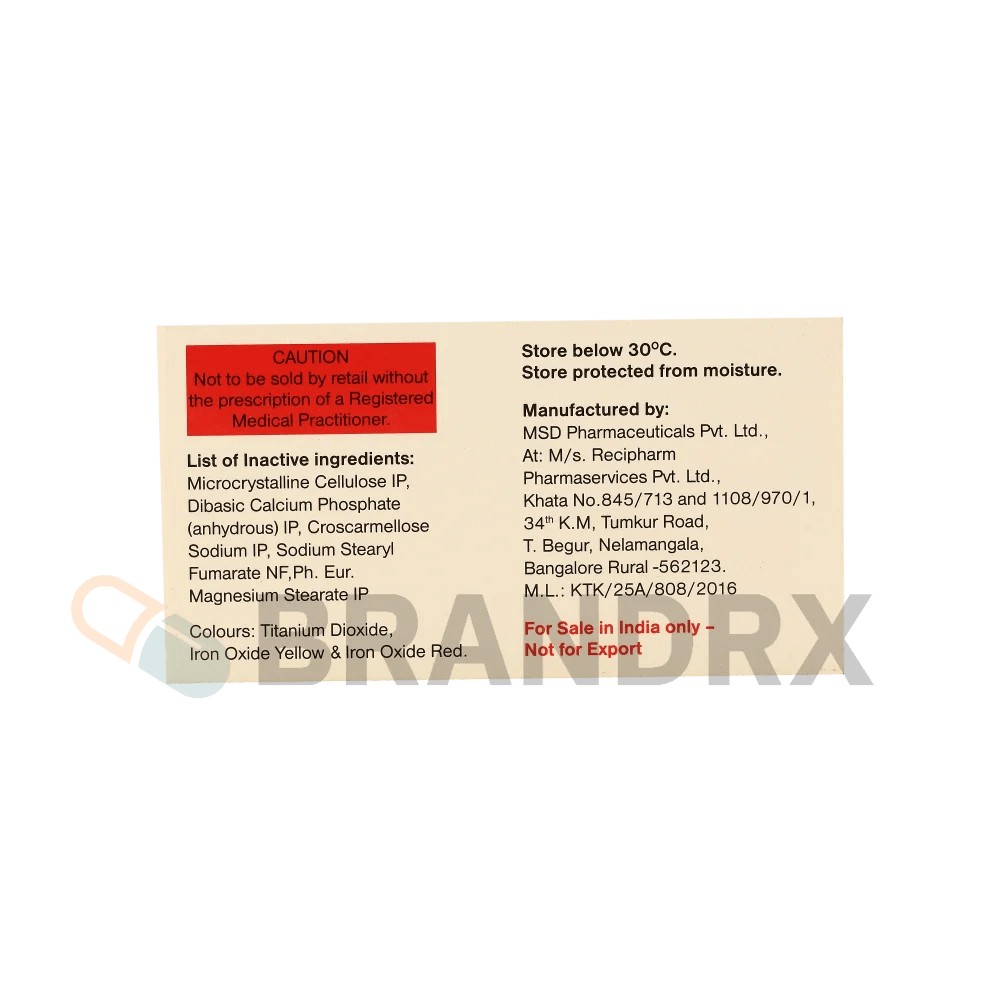
| Storage conditions | Store at room temperature, away from moisture and heat |
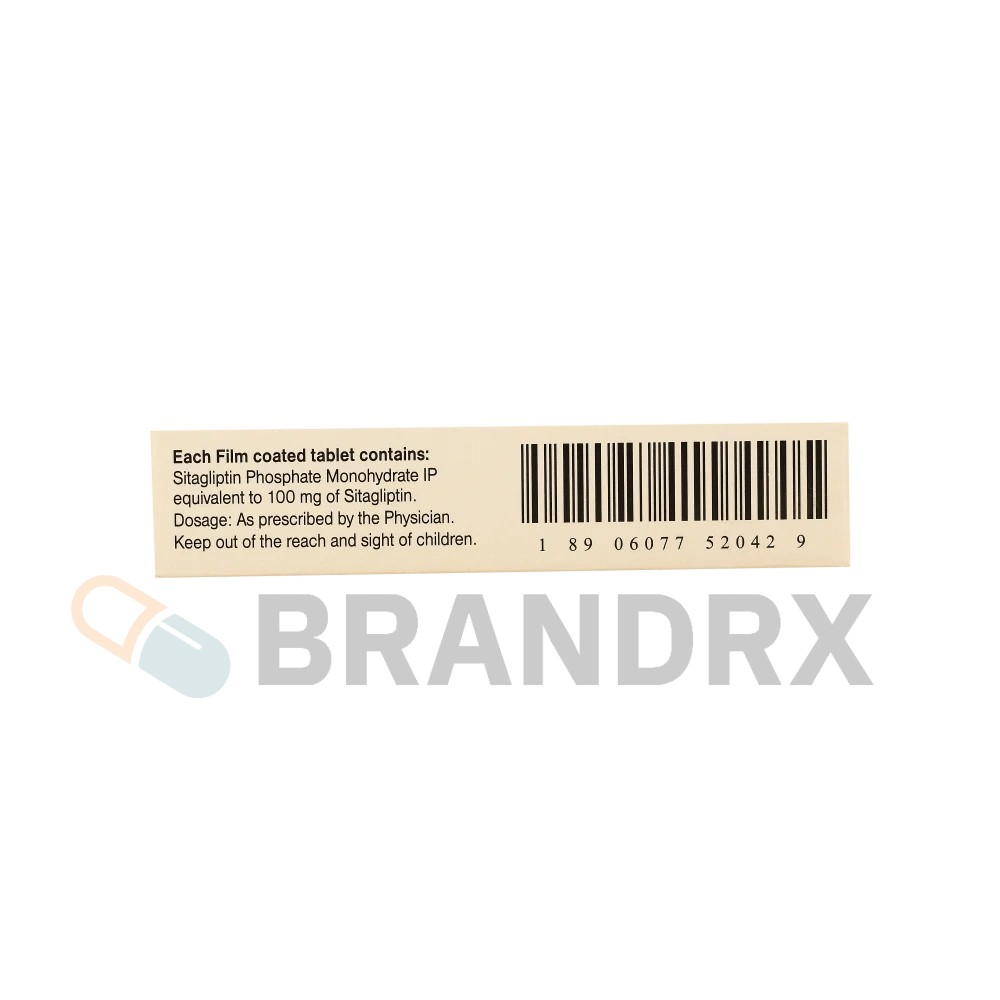
| Strength | 100mg |
| Substance class | Dipeptidyl peptidase-4 (DPP-4) inhibitor |
| Trade name | Januvia |
| Use in sports | Not typically used in sports |
| Water Retention | No significant effect |
| Manufacturer | MSD |
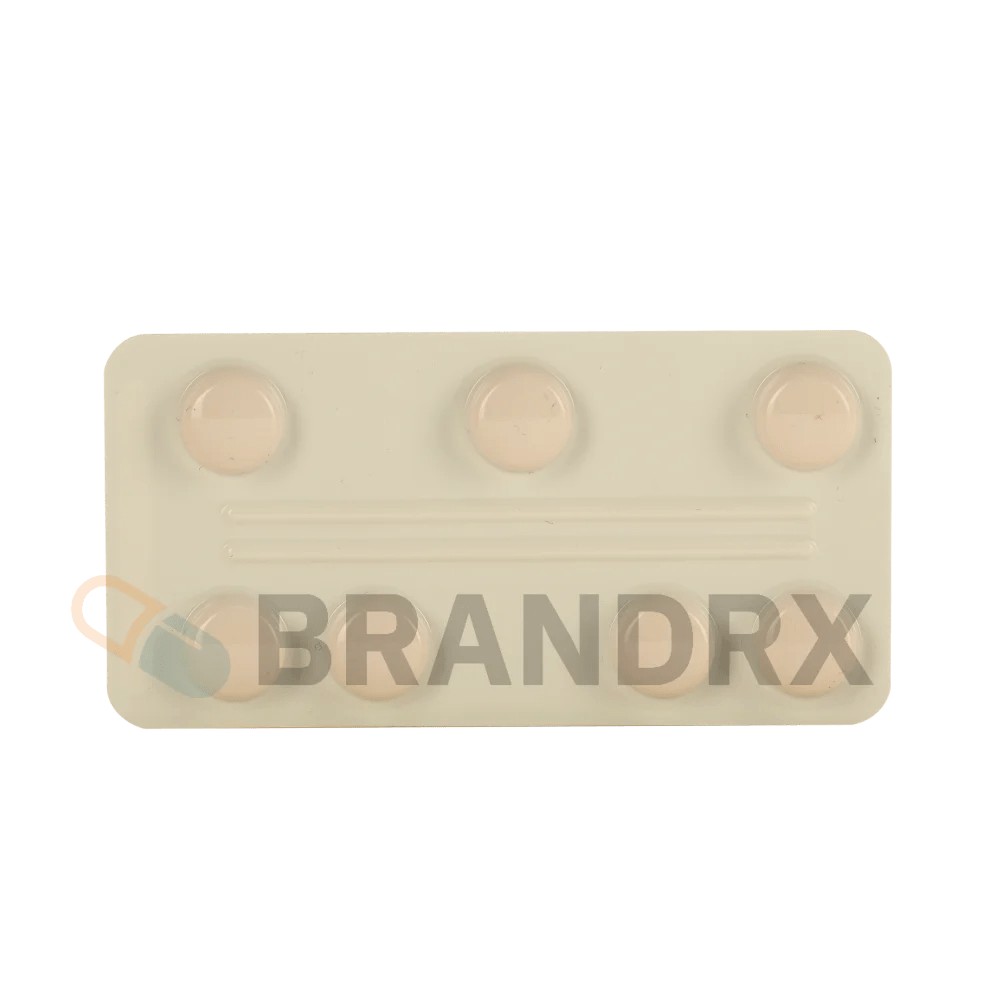
| Packing | 7 tabs/pack |