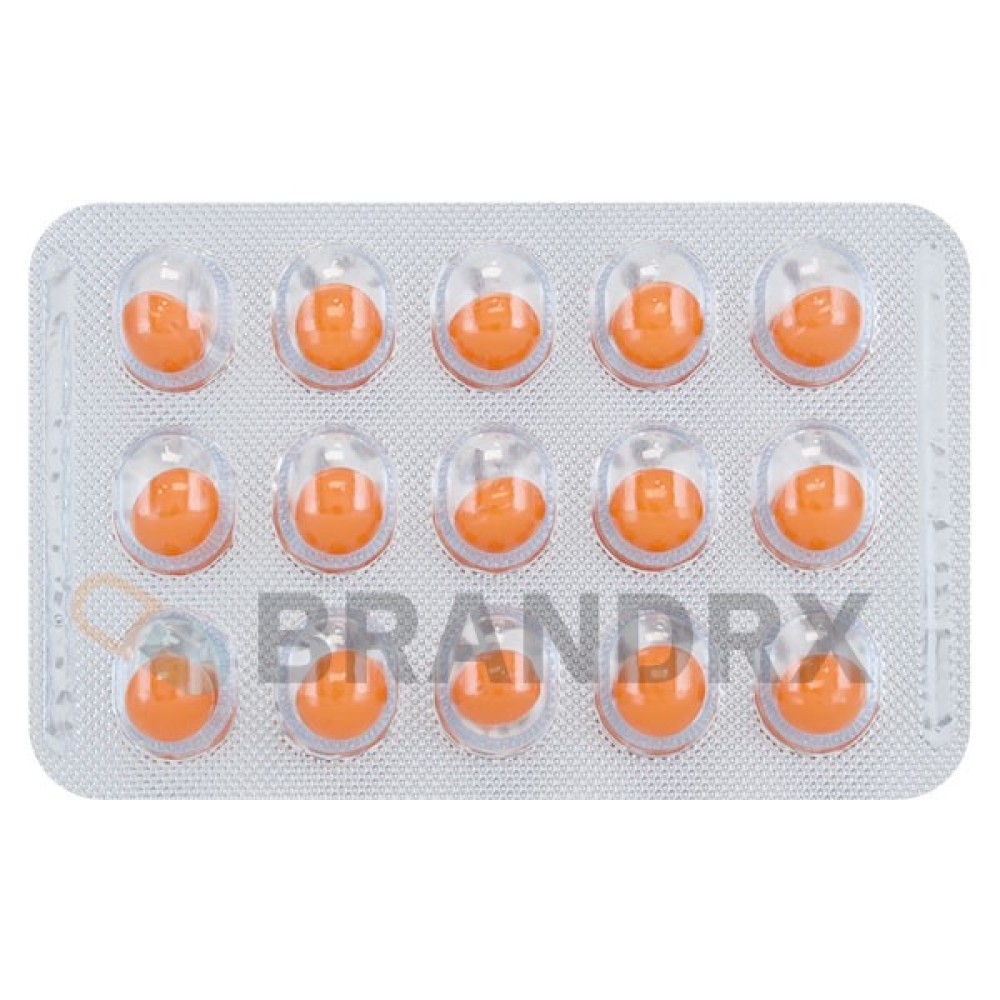
Understanding Isotroin 10 mg Cipla and Its Purpose
Many individuals struggling with severe acne look for effective solutions to clear their skin and regain confidence. Often, people misunderstand the complexities of acne treatment, thinking that over-the-counter products will suffice. However, severe or persistent acne can require more powerful medications like Isotroin 10 mg Cipla. This medication, derived from isotretinoin, is specifically designed to target the root causes of acne rather than just alleviating its visible symptoms. The goal of using this treatment is comprehensive improvement in skin appearance, reduction in acne flare-ups, and prevention of future breakouts. Users seek to understand how Isotroin works, what to expect during treatment, and potential side effects.
How Isotroin Works to Combat Acne
Isotroin 10 mg Cipla is a retinoid that functions by influencing the way the body's skin cells behave. Primarily, it reduces sebum production, which is a key factor in the development of acne. Excessive oil can lead to clogged pores, creating an environment where bacteria can thrive and subsequently lead to inflammation. By regulating sebaceous glands, Isotroin minimizes oil production, directly addressing one of the primary contributors to acne. Furthermore, isotretinoin promotes faster cell turnover. This means that dead skin cells are shed more rapidly, preventing blockages that typically lead to acne. It also uniquely modifies how skin cells mature and reduces the proliferation of bacteria that aggravate existing blemishes. As users begin treatment, they may experience an initial worsening of acne before improvements are noted, which is a normal part of the process as the medication takes effect.
Limitations and the Importance of Professional Guidance
While Isotroin 10 mg Cipla can be an effective solution for individuals with severe acne, it is essential to acknowledge that it is not without limitations. The medication is contraindicated in certain populations, particularly in pregnant women or those planning to become pregnant, due to the potential for severe birth defects. Other contraindications include individuals with liver disease and those suffering from hyperlipidemia. Understanding these limitations is crucial, as using Isotroin without professional guidance can lead to serious health risks. Additionally, potential side effects may include dryness of the skin, lips, and eyes, along with more serious risks like mood changes or gastrointestinal issues. Therefore, a professional consultation is essential prior to starting treatment. A healthcare provider will evaluate medical history, perform necessary tests, and establish whether this treatment is appropriate based on individual health considerations.
Navigating the Potential of Isotroin for Your Skin
Upon reviewing the potential benefits and limitations of Isotroin 10 mg Cipla, individuals interested in this medication should take a deliberate approach to navigating their acne treatment options. Familiarize yourself with the specific effects and anticipated timeline of improvement through comprehensive research. Understand that each user's response to isotretinoin may vary, leading to different experiences in terms of speed and extent of results. It is also worthwhile to look into lifestyle adjustments that can complement the treatment, such as maintaining proper hydration and using non-comedogenic skincare products.
Getting Started with Isotroin 10 mg Cipla
For those ready to embark on this journey, obtaining Isotroin 10 mg Cipla typically requires a prescription, reflecting its status as a powerful, prescription-only medication. It’s advisable to engage in an open dialogue with your healthcare provider about any concerns, expectations, and experiences with acne treatments. This will not only facilitate a more personalized approach but also improve overall satisfaction with the chosen treatment journey. Start your exploration of Isotroin by asking questions and preparing for regular follow-up appointments to monitor the treatment's effectiveness. Establish a regimen that includes effective communication with your healthcare provider to assess ongoing developments. Ultimately, the goal of utilizing Isotroin is to achieve clearer, healthier skin, free from the worries of frequent breakouts, and to rebuild confidence in your skin’s appearance.
| Features |
| Active substance |
Isotretinoin |
| Also known as |
Accutane |
| Blood pressure |
No significant effect |
| Chemical name |
(2Z,4E,6E,8E)-3,7-dimethyl-9-(2,6,6-trimethylcyclohexen-1-yl)nona-2,4,6,8-tetraenoic acid |
| Dosage (medical) |
Typically 0.5 to 1 mg per kg of body weight per day, taken in two divided doses |
| Dosage (sports) |
Not applicable |
| Effects |
Reduces acne, decreases sebum production, promotes skin renewal |
| Formula |
C20H28O2 |
| Half-life |
10-20 hours |
| Hepatotoxicity |
Moderate, requires periodic liver function tests |
| Lab Test |
Liver function tests, lipid profiles, pregnancy tests |
| Main action |
Reduces sebum production, corrects abnormal keratinization, has anti-inflammatory properties |
| Side effects |
Dry skin, lips and eyes, itching, nosebleeds, muscle aches, sensitivity to sunlight, decreased night vision, potentially severe birth defects if taken during pregnancy |
| Storage conditions |
Store at controlled room temperature (15-30В°C), protect from light |
| Strength |
10mg |
| Substance class |
Retinoid |
| Trade name |
Accutane, Roaccutane, Claravis, others |
| Use in sports |
None |
| Water Retention |
No |
| Manufacturer |
Cipla Ltd. |
| Packing |
15 caps/blister |