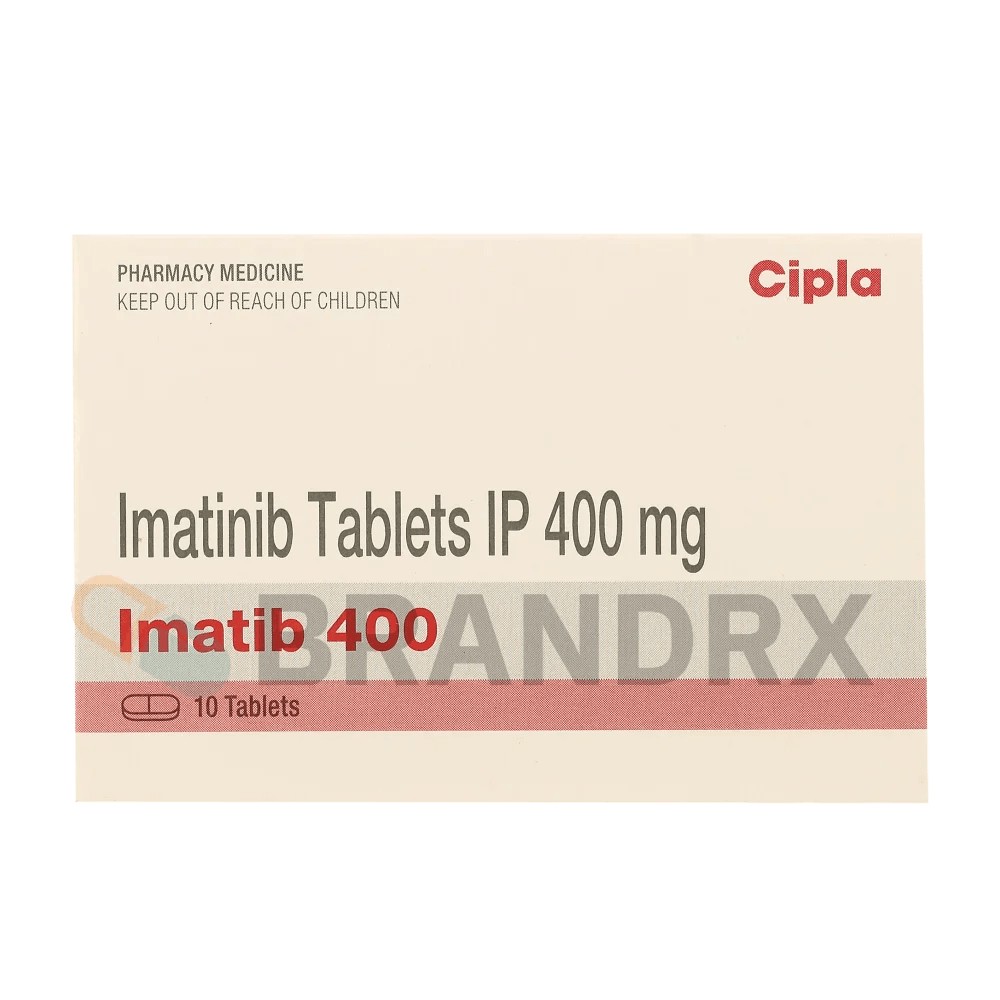
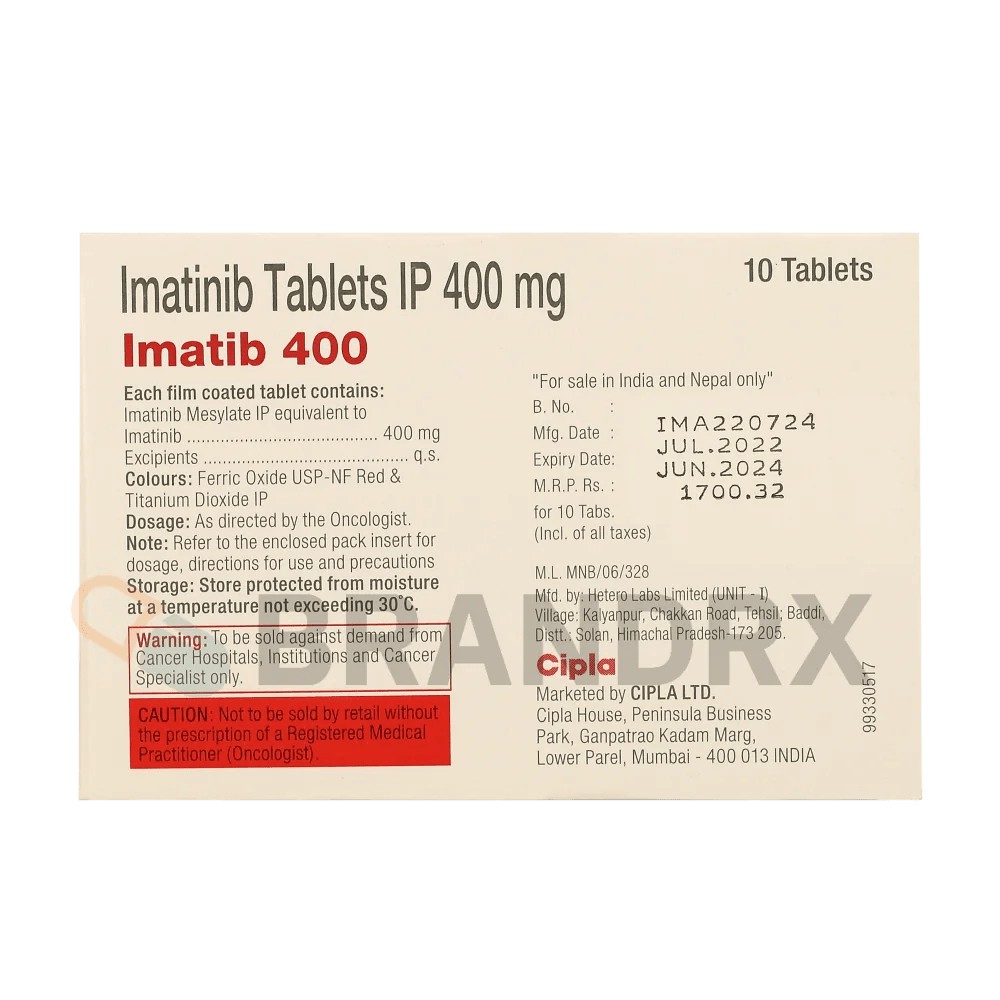
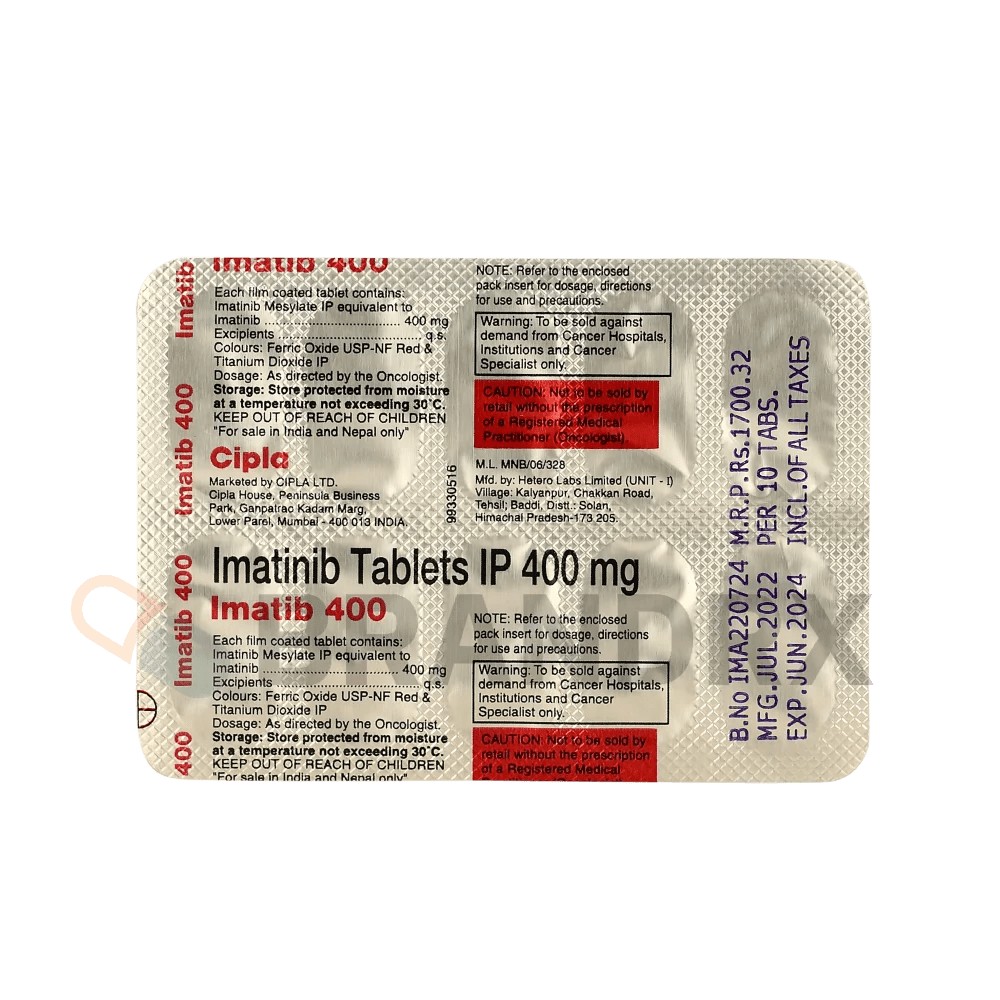
Understanding Imatib 400 mg Cipla and Its Purpose
When considering treatment options for chronic myeloid leukemia or gastrointestinal stromal tumors, many patients look for effective solutions that will help manage their condition. One common choice is Imatib 400 mg Cipla, an oral medication that has gained popularity among healthcare providers. While patients often seek to alleviate symptoms and improve their quality of life, there are some misunderstandings surrounding this medication that need to be addressed. People may believe that all cancer treatments work the same way, or they might not fully grasp the importance of compliance with medication regimens. Understanding what Imatib 400 mg Cipla can do, and the role it plays in cancer treatment, is crucial for maximizing its benefits.
Mechanism of Action and Therapeutic Targets
Imatib 400 mg Cipla works by blocking certain signals in the body that help cancer cells grow and divide. Specifically, it inhibits the action of the BCR-ABL tyrosine kinase, an enzyme that is overactive in chronic myeloid leukemia patients. By targeting this enzymatic process, Imatib helps to disrupt the malignant cells' ability to multiply, effectively controlling the disease's progression. Other parameters such as dosage and timing also play a significant role in the medication's effectiveness. Adhering to a prescribed regimen ensures that the therapeutic effects of Imatib are maximized, leading to better long-term outcomes for patients. Furthermore, monitoring liver function and blood cell counts is necessary for those undergoing treatment, as abnormalities can impact how well the medication works.
Consulting Healthcare Professionals for Safe Use
While Imatib 400 mg Cipla can offer substantial benefits, there are limitations and contraindications associated with its use. Some individuals may experience side effects, including nausea, fatigue, or fluid retention, which can influence how they respond to treatment. Additionally, patients with specific pre-existing conditions or those taking certain medications may face increased risks when using Imatib, making it essential to discuss these factors with a healthcare provider. Only a qualified medical professional can provide the necessary guidance, evaluating the patient's individual health circumstances and determining the suitability of this treatment option. Proper consultations can help mitigate risks and tailor the medication to fit the patient's unique needs.
Importance of Awareness and Education
For patients considering Imatib 400 mg Cipla, education is a critical aspect of managing treatment effectively. It is essential to fully understand the medication, its intended effects, and the potential side effects. Awareness also extends to recognizing signs of adverse reactions that may warrant immediate medical attention. It would be beneficial for patients to engage in open discussions with their healthcare providers about what to expect during their treatment journey. This proactive approach not only aids in dealing with the challenges of treatment but also fosters a sense of partnership between the patient and their healthcare team, ultimately leading to a more supportive and informed care experience.
Navigating the Information on Imatib 400 mg Cipla
As you explore the product page for Imatib 400 mg Cipla, it is vital to take advantage of the resources available on the site. This includes detailed descriptions of the drug, user testimonials, and information about managing side effects. A thorough understanding of these components will enable you to make informed decisions about your treatment options. The product page may also provide relevant links to research studies, dosage guidelines, and updates from healthcare professionals that can enhance your knowledge and help you stay informed about new developments. Remember, the key to successful treatment with Imatib 400 mg Cipla lies in awareness, compliance, and maintaining open lines of communication with your healthcare team.
| Features |
| Active substance |
Imatinib |
| Also known as |
STI571 |
| Blood pressure |
Can cause changes in blood pressure, monitoring advised |
| Chemical name |
4-[(4-Methyl-1-piperazinyl)methyl]-N-[4-methyl-3-[[4-(3-pyridinyl)-2-pyrimidinyl]amino]phenyl]benzamide |
| Dosage (medical) |
Typically 400-800 mg per day, depending on the condition being treated |
| Dosage (sports) |
Not applicable as it is not used for performance enhancement |
| Effects |
Treats certain types of cancer by blocking the action of the abnormal protein that signals cancer cells to multiply |
| Formula |
C29H31N7O |
| Half-life |
Approximately 18 hours |
| Hepatotoxicity |
Low, but liver function tests are recommended |
| Lab Test |
Monitoring of complete blood counts and liver function tests are advised |
| Main action |
Inhibits the Bcr-Abl tyrosine kinase |
| Side effects |
Nausea, vomiting, edema, muscle cramps, musculoskeletal pain, diarrhea, rash, fatigue, abdominal pain |
| Storage conditions |
Store at room temperature, away from moisture and heat |
| Strength |
400mg |
| Substance class |
Tyrosine kinase inhibitor |
| Trade name |
Gleevec (USA), Glivec (Europe and Australia) |
| Use in sports |
None, not used as a performance-enhancing drug |
| Water Retention |
Yes, can cause fluid retention |
| Manufacturer |
Cipla Ltd. |
| Packing |
10 tabs/blister |