
USA Furosemid 40 mg Sopharma
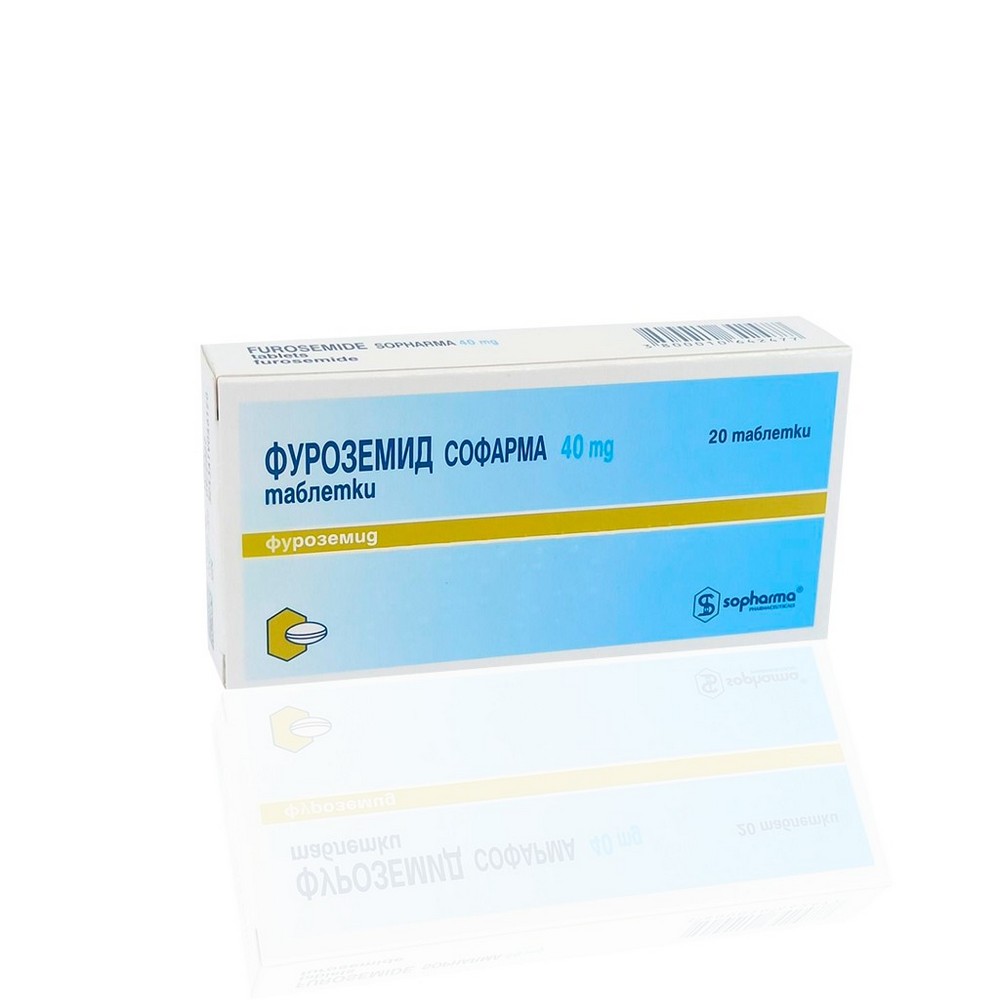
Understanding Furosemid 40 mg Sopharma
Furosemid 40 mg Sopharma is a potent diuretic, also known as a loop diuretic, which primarily serves to promote the excretion of water and salts from the body. It works by inhibiting the reabsorption of sodium and chloride in the loop of Henle in the kidneys, leading to increased urination and helping to remove excess fluid from body tissues. This is especially beneficial in managing conditions such as heart failure, liver cirrhosis, and renal impairment, where fluid balance becomes precarious.
Characteristics that define Furosemid 40 mg Sopharma include its rapid onset of action, typically occurring within an hour, and its substantial efficacy in lowering blood pressure and reducing edema. The dosage strength of 40 mg is carefully calibrated to offer a robust diuretic effect while minimizing side effects, making it an essential option for healthcare professionals when treating patients with fluid retention issues.
Available Forms and Dosage of the Product
Furosemid is available in various formats to cater to different patient needs. Commonly, it comes in oral tablet form, such as Furosemid 40 mg Sopharma, which is convenient for outpatient treatment. Additionally, other formats might include injectable solutions for intravenous use in acute settings where rapid action is required. The oral tablets allow for flexible dosing and ease of administration, making them suitable for chronic conditions managed at home. It's essential for users to follow medical guidance regarding the most appropriate form of Furosemid based on their specific health conditions and treatment plans.
Why Choose Furosemid 40 mg Sopharma?
When comparing Furosemid 40 mg Sopharma to other related substances, it stands out due to its reliability and effectiveness in managing fluid retention. Other diuretics might have a different mechanism of action or side effect profile, but Furosemid’s unique ability to act at the loop of Henle makes it especially effective for rapid diuresis. This property makes it particularly advantageous for patients who require immediate fluid removal or longstanding therapy for chronic conditions.
Moreover, Furosemid 40 mg Sopharma is often favored for its lower incidence of galvanization effects in terms of potassium loss, which can be a concern with other diuretics. Therefore, users seeking a well-tolerated, effective diuretic option for their health conditions often find Furosemid 40 mg Sopharma meets their therapeutic goals effectively.
Long-Term Use and Considerations
The long-term use of Furosemid 40 mg Sopharma can provide significant benefits, particularly for individuals with persistent fluid retention due to heart, liver, or kidney conditions. This medication can help stabilize patients and maintain their quality of life by preventing excess fluid accumulation. However, careful monitoring is critical to avoid potential complications such as electrolyte imbalances, dehydration, and kidney damage, which can occur with excessive diuretic use.
Contraindications for Furosemid include but are not limited to: individuals with known hypersensitivity to the drug, those with severe electrolyte depletion, or patients with anuria (absence of urine production). It's also generally advised that pregnant women and minors consult with healthcare providers before starting treatment, as the safety profile in these populations has not been firmly established. Regular check-ups and communication with a healthcare provider are essential to ensure safe and effective use of this medication.
Guidelines for Safe Usage of Furosemid 40 mg Sopharma
Starting or choosing to use Furosemid 40 mg Sopharma should be done under the supervision of a healthcare professional. It is paramount to adhere to prescribed dosages to manage conditions effectively while minimizing the risk of adverse effects. Patients should be advised to take the medication with plenty of fluids, unless otherwise directed, to help prevent dehydration.
Users should also remain vigilant for any side effects, such as dizziness, increased heart rate, or signs of electrolyte imbalances, and report these to their healthcare provider immediately. Regular laboratory tests to monitor kidney function and electrolyte levels will often be necessary to ensure the patient remains within safe health parameters during extended therapy. By following these guidelines and working closely with their healthcare team, individuals can utilize Furosemid 40 mg Sopharma effectively to improve their health outcomes.
| Features | |
| Active substance | Furosemid |
| Also known as | Frusemide (especially in some European countries) |
| Blood pressure | Lowers blood pressure |
| Chemical name | 4-chloro-N-furfuryl-5-sulfamoylanthranilic acid |
| Dosage (medical) | Typically, 20 to 80 mg per day, adjusted according to response |
| Dosage (sports) | Not applicable as usage for performance enhancement is not recommended |
| Effects | Increases urinary output, reduces blood pressure, decreases fluid retention |
| Formula | C12H11ClN2O5S |
| Half-life | Approximately 2 hours |
| Hepatotoxicity | Low risk of hepatotoxicity |
| Lab Test | Can be detected in urine tests |
| Main action | Inhibits the Na-K-2Cl symporter in the thick ascending limb of the loop of Henle |
| Side effects | Dehydration, hypokalemia, hyponatremia, hypovolemia, dizziness, hypotension |
| Storage conditions | Store at room temperature, away from light and moisture |
| Substance class | Loop diuretic |
| Trade name | Lasix, among others |
| Use in sports | Primarily as a masking agent to hide the presence of other banned substances |
| Water Retention | Reduces water retention |
| Active ingredient, mg | 40 |
| Release form | Pills |
| 1 Pill, mg | 40 |
| Blister, pills | 2, 10 |
| Manufacturer | Sopharma |
| Packing | Blister (10 Pills), Package (2 blisters) |