
USA Clindac-A Gel 1% Pharmaceutical
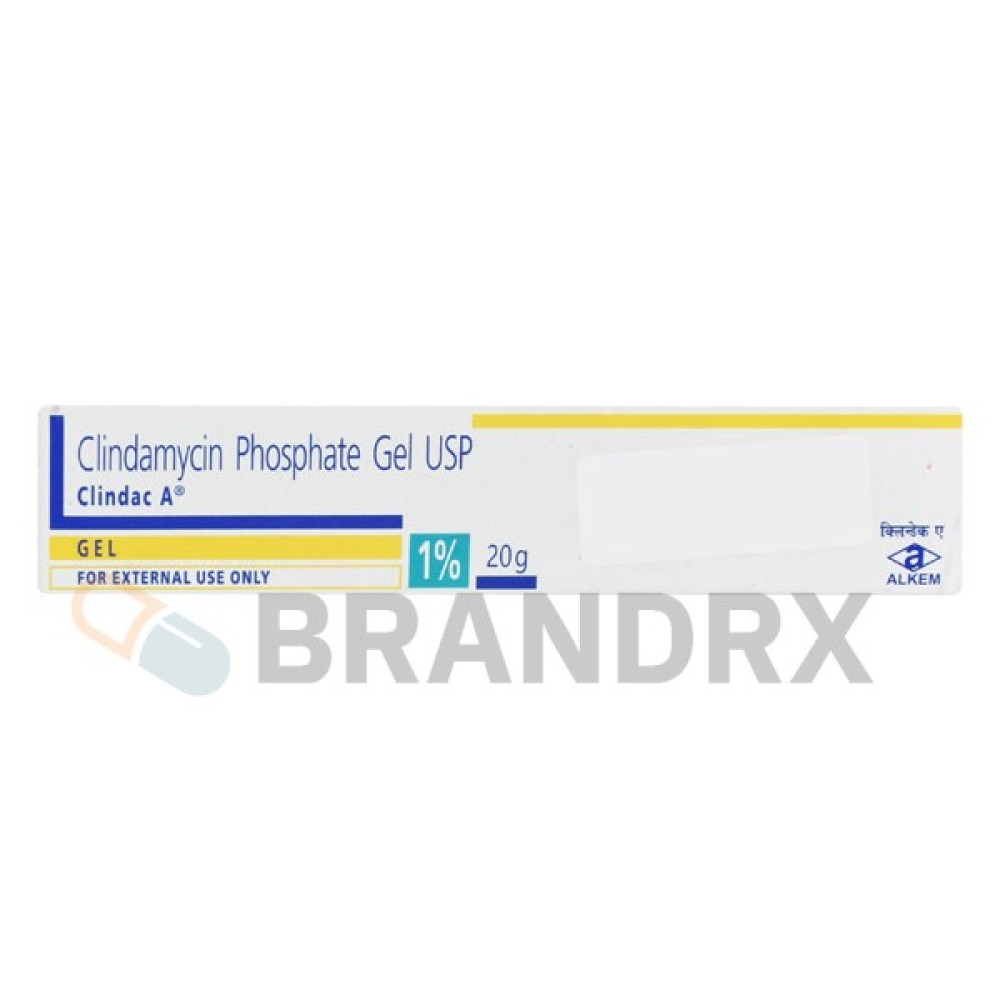
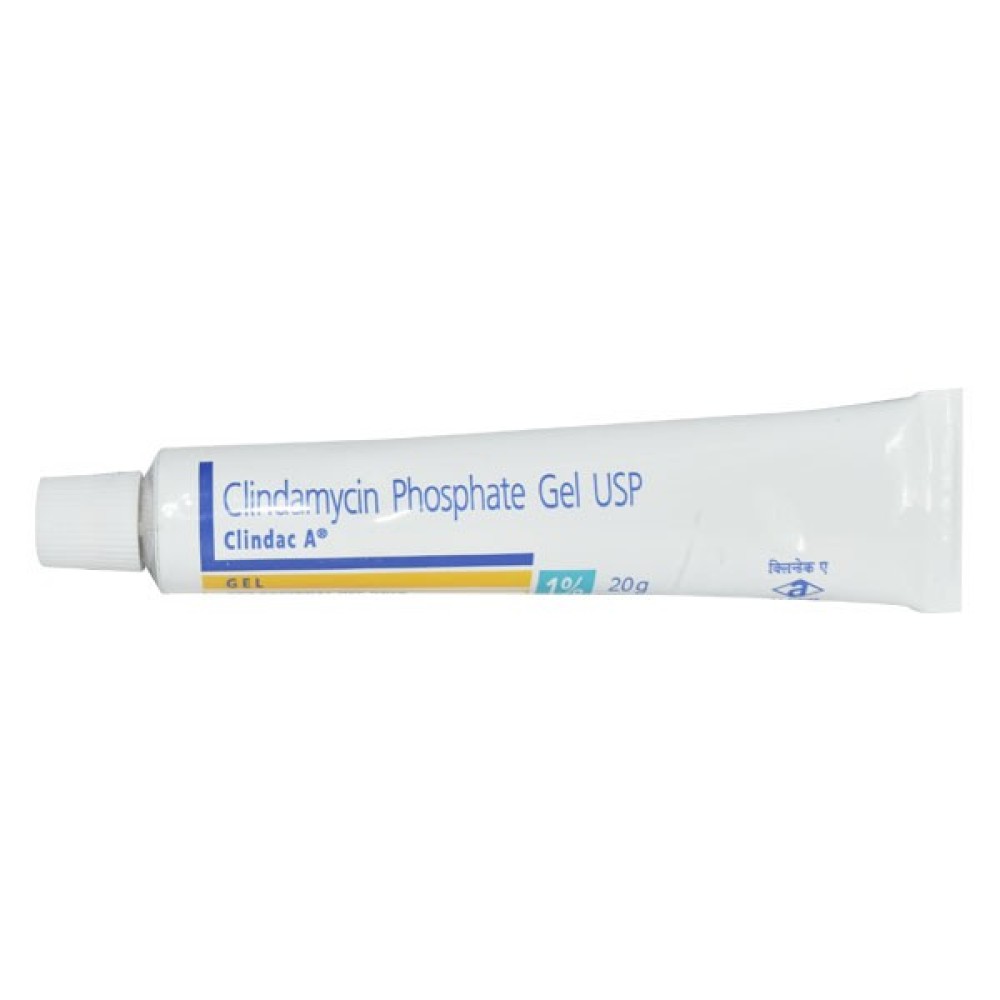
Clindac-A Gel 1% Pharmaceutical: Overview and Purpose
Clindac-A Gel 1% Pharmaceutical is a topical medication primarily used to treat acne and related skin conditions. Formulated with clindamycin, an antibiotic, this gel works by inhibiting the growth of bacteria that contribute to acne development, making it an effective option for individuals struggling with moderate to severe acne. Clindac-A Gel 1% does not just target the existing outbreaks but also helps prevent new ones from forming, thereby addressing both immediate and long-term skin health needs. Understanding the mechanism of action and the appropriate use of this medication can significantly improve the quality of life for users who face the challenges of managing acne.
Target Audience and Usage Context for Clindac-A Gel 1% Pharmaceutical
Clindac-A Gel 1% Pharmaceutical is primarily intended for adolescents and adults who experience acne vulgaris, which is the most common form of acne. It is also suitable for those who may have developed acne due to hormonal fluctuations, lifestyle factors, or specific skin types. Clindac-A Gel 1% is typically used in conjunction with a comprehensive skincare regimen, which may include cleansing products and moisturizers that suit the user’s skin type.
Before using Clindac-A Gel 1%, it is essential to consult with a healthcare professional or dermatologist. This consultation is vital to ensure the product is appropriate for the individual’s skin condition and to rule out contraindications. Clindac-A Gel 1% is not recommended for use in pregnant or breastfeeding women, children under the age of 12, or individuals with a known hypersensitivity to clindamycin or any of the gel's inactive ingredients. Additionally, those with certain skin conditions or those taking other medications that could interact negatively with clindamycin should exercise caution.
Key Benefits of Clindac-A Gel 1% Pharmaceutical
Clindac-A Gel 1% Pharmaceutical offers several key benefits that make it a suitable treatment option for many individuals dealing with acne. Its potent formula not only helps in reducing the number of acne lesions but also aids in the overall improvement of skin texture and appearance. The following users may particularly benefit from Clindac-A Gel 1%:
- Individuals with moderate to severe acne.
- Those experiencing acne due to hormonal imbalances.
- People looking to prevent future acne breakouts.
- Patients who have not found success with over-the-counter treatments.
- Individuals who want to improve the overall appearance and health of their skin.
Utilizing Clindac-A Gel 1% can help restore confidence and provide users with clearer skin, which is often a significant concern for many affected by acne.
Core Value and Advantages of Using Clindac-A Gel 1% Pharmaceutical
The core value of Clindac-A Gel 1% Pharmaceutical lies in its targeted action against acne-causing bacteria while being gentle enough for daily topical use. Unlike some harsher treatments that may irritate the skin, Clindac-A Gel 1% is formulated to minimize discomfort and address acne without causing excessive dryness or irritation.
Additionally, with regular use, users may experience fewer breakouts, which contributes to a smoother and more even skin tone over time. By integrating Clindac-A Gel 1% into a broader skincare routine, individuals can take proactive steps towards achieving and maintaining clearer skin. The psychological and emotional benefits of clearer skin, including increased confidence and reduced anxiety over appearance, further enhance the value of using this medication. In summary, Clindac-A Gel 1% Pharmaceutical not only targets the physical symptoms of acne but also provides individual users with a holistic approach to skin health.
| Features | |
| Also known as | Clindamycin 2-phosphate |
| Blood pressure | No significant impact |
| Chemical name | Methyl 7-chloro-6,7,8-trideoxy-6-(1-methyl-trans-4-propyl-L-2-pyrrolidinecarboxamido)-1-thio-L-threo-О±-D-galacto-octopyranoside 2-(dihydrogen phosphate) |
| Dosage (medical) | 150-450 mg orally every 6 hours or 600-900 mg IV every 8 hours, depending on the severity of the infection |
| Dosage (sports) | Not applicable |
| Effects | Inhibits bacterial protein synthesis, leading to the death of bacteria |
| Formula | C18H34ClN2O8PS |
| Half-life | 2.4 hours |
| Hepatotoxicity | Rare, but cases of hepatitis and liver dysfunction have been reported |
| Lab Test | Monitoring of liver and renal functions may be required |
| Main action | Antimicrobial |
| Side effects | Nausea, vomiting, diarrhea, abdominal pain, rash, itching, and potential for pseudomembranous colitis |
| Storage conditions | Store at 20В° to 25В°C (68В° to 77В°F) |
| Substance class | Antibiotic |
| Trade name | Cleocin |
| Use in sports | Not typically used in sports |
| Water Retention | No significant effect |
| Manufacturer | Pharmaceutical |