
USA Betaloc 100 mg AstraZeneca
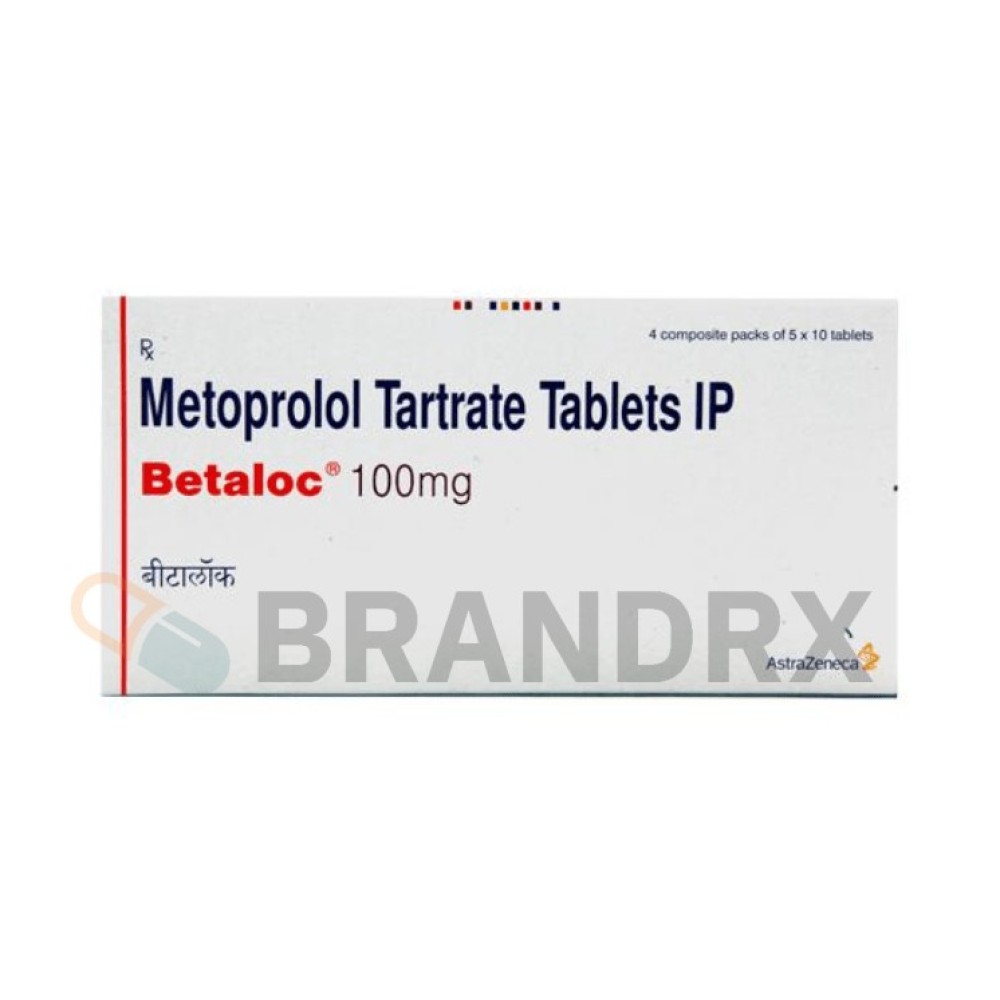
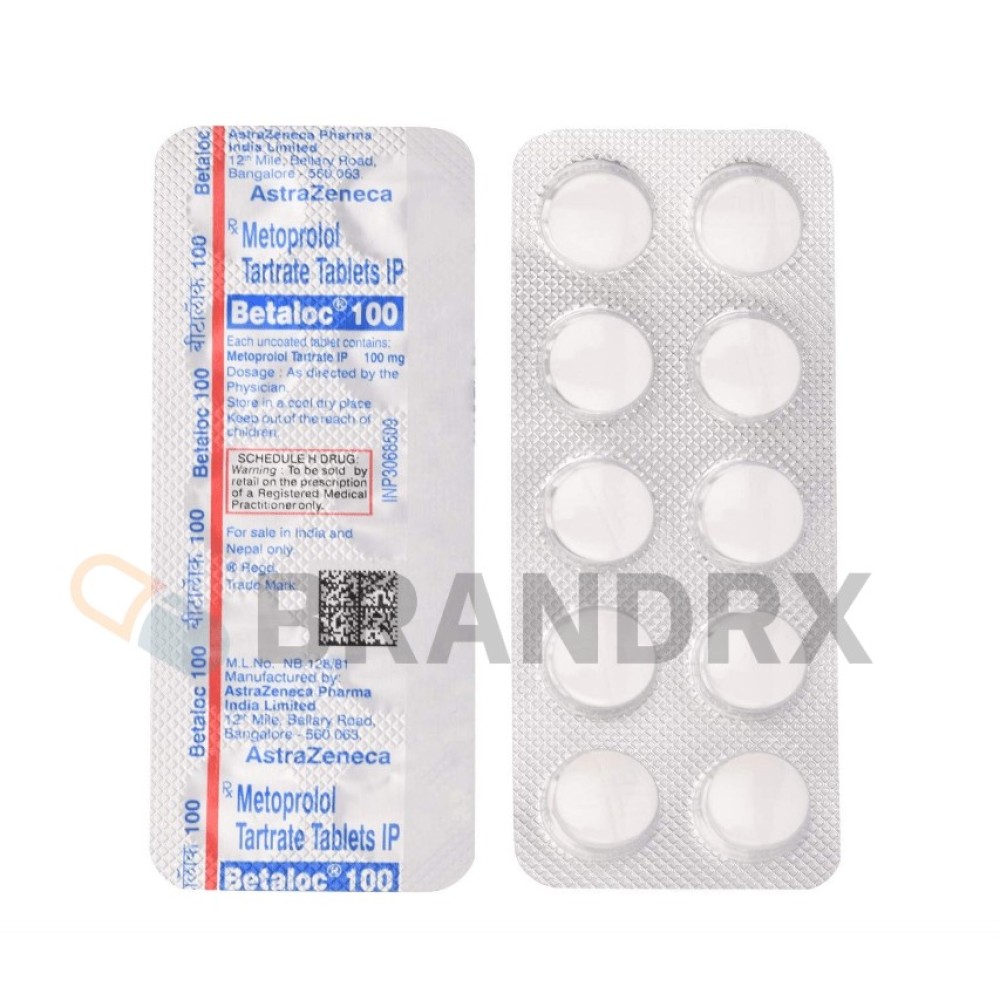
Define Betaloc 100 mg AstraZeneca and Explain Its General Purpose
Betaloc 100 mg AstraZeneca is a prescription medication that belongs to a class of drugs known as beta-blockers. Its active ingredient, metoprolol, is used primarily in the management of cardiovascular conditions, specifically high blood pressure (hypertension), angina pectoris (chest pain), and heart rhythm disorders. Additionally, it is often prescribed for the prevention of heart attacks and to improve survival rates following myocardial infarction. By blocking the action of certain chemicals in the body, Betaloc 100 mg AstraZeneca helps to reduce heart rate, decrease the force of heart contractions, and lower blood pressure, which collectively contributes to improved heart health and reduced strain on the cardiovascular system.
The effectiveness of Betaloc 100 mg AstraZeneca stems from its ability to modulate the cardiovascular response. By dampening the response of the heart and blood vessels to stress hormones like adrenaline, it allows for a more stable cardiovascular environment. This is particularly valuable for patients with a history of heart disease or those encountering symptoms related to elevated blood pressure or irregular heartbeats. Thus, Betaloc 100 mg AstraZeneca is integral not just for immediate symptom relief but also for long-term heart health management.
Describe How Betaloc 100 mg AstraZeneca Fits into Broader Treatment Strategies or Usage Approaches
In the broader context of cardiovascular treatment strategies, Betaloc 100 mg AstraZeneca plays a pivotal role in combination therapies aimed at optimizing patient outcomes. Healthcare providers often recommend this medication as part of a comprehensive approach that may include lifestyle modifications, nutritional changes, and other pharmacological interventions. For instance, individuals experiencing hypertension might be advised to adopt a diet low in sodium, increase their physical activity, and utilize stress-reduction techniques alongside their beta-blocker therapy.
Furthermore, when it comes to managing heart failure, Betaloc 100 mg AstraZeneca may be utilized in conjunction with other medications such as diuretics or ACE inhibitors to enhance overall cardiac function and reduce workload on the heart. The strategic use of Betaloc aligns with guidelines from prominent health organizations, which advocate for tailored treatment plans that address not only the symptoms but also the underlying causes of cardiovascular diseases.
Explain the Advantages Users Typically Expect from This Preparation
Users of Betaloc 100 mg AstraZeneca can anticipate several key advantages, which contribute to its widespread use in the treatment of various cardiovascular conditions. These advantages include:
- Effective Blood Pressure Control: One of the primary benefits is its ability to lower blood pressure, which is crucial in preventing complications such as stroke and heart attack.
- Reduction of Angina Symptoms: Betaloc can help alleviate chest pain associated with angina, thereby improving the quality of life for those with coronary artery disease.
- Heart Rate Regulation: The medication assists in stabilizing heart rhythms, reducing the risk of arrhythmias, and promoting a more consistent heart rate.
- Post-Heart Attack Recovery: It plays a significant role in the rehabilitation process following a myocardial infarction, helping prevent future cardiac events.
- Minimal Side Effects: Many users find that Betaloc 100 mg AstraZeneca has a manageable side effect profile, making it easier to adhere to prescribed treatment regimens.
Discuss Risks, Precautions, and Contraindications for Use of This Preparation
Despite its benefits, Betaloc 100 mg AstraZeneca is not without risks, and certain precautions should be observed. Patients must disclose their complete medical history to their healthcare providers, particularly regarding any history of asthma, chronic obstructive pulmonary disease (COPD), or heart block. Some contraindications include known hypersensitivity to metoprolol or any of its components, as well as severe bradycardia and certain forms of heart failure. Furthermore, caution is advised in use during pregnancy and nursing, as the effects on fetal and infant health have not been fully established.
Potential side effects can range from mild to severe and may include fatigue, dizziness, difficulty breathing, and a slow heart rate. Given these potential complications, it’s imperative for users to regularly consult with their healthcare providers to monitor for adverse effects and make any necessary adjustments to the treatment plan. Patients are also encouraged to avoid abrupt discontinuation of the medication, which can lead to withdrawal symptoms and exacerbation of underlying conditions.
Conclude with Guidance on How Users Should Approach Understanding and Using Betaloc 100 mg AstraZeneca Responsibly
In conclusion, understanding and responsibly using Betaloc 100 mg AstraZeneca necessitates an informed approach. It's crucial for users to engage in open dialogue with their healthcare professionals, seeking clarification on any questions regarding their treatment. They should monitor their health, report any side effects, and adhere strictly to prescribed dosages to maximize the therapeutic benefits of the medication.
Additionally, users should explore complementary lifestyle changes, such as dietary adjustments and increased physical activity, to enhance the efficacy of Betaloc in managing their cardiovascular health. Education on the potential interactions with other medications and avoiding alcohol consumption is also paramount to ensure safe use. By approaching Betaloc 100 mg AstraZeneca with a comprehensive understanding of its purpose, benefits, and risks, users can better navigate their treatment journey towards optimal cardiovascular health.
| Features | |
| Active substance | Metoprolol |
| Also known as | Lopressor |
| Blood pressure | Reduces blood pressure |
| Chemical name | (RS)-1-(Isopropylamino)-3-[4-(2-methoxyethyl)phenoxy]propan-2-ol |
| Dosage (medical) | Typically 25-100 mg per day in divided doses |
| Dosage (sports) | Not applicable as it is not typically used for performance enhancement |
| Effects | Reduces cardiac output, controls arrhythmias, decreases blood pressure |
| Formula | C15H25NO3 |
| Half-life | 3 to 7 hours |
| Hepatotoxicity | Low |
| Lab Test | Blood levels can be monitored though not routinely done |
| Main action | Decreases heart rate and blood pressure |
| Side effects | Dizziness, fatigue, depression, shortness of breath, cold extremities |
| Storage conditions | Store at room temperature, away from moisture and heat |
| Strength | 100mg |
| Substance class | Beta blocker |
| Trade name | Lopressor, Toprol-XL |
| Use in sports | Not commonly used, except possibly to control heart rate and anxiety in precision sports |
| Water Retention | Low |
| Manufacturer | AstraZeneca Pharma Ltd. |
| Packing | 10 tabs/blister |