
USA Atarax UCB
Understanding Atarax UCB: Principles and Characteristics
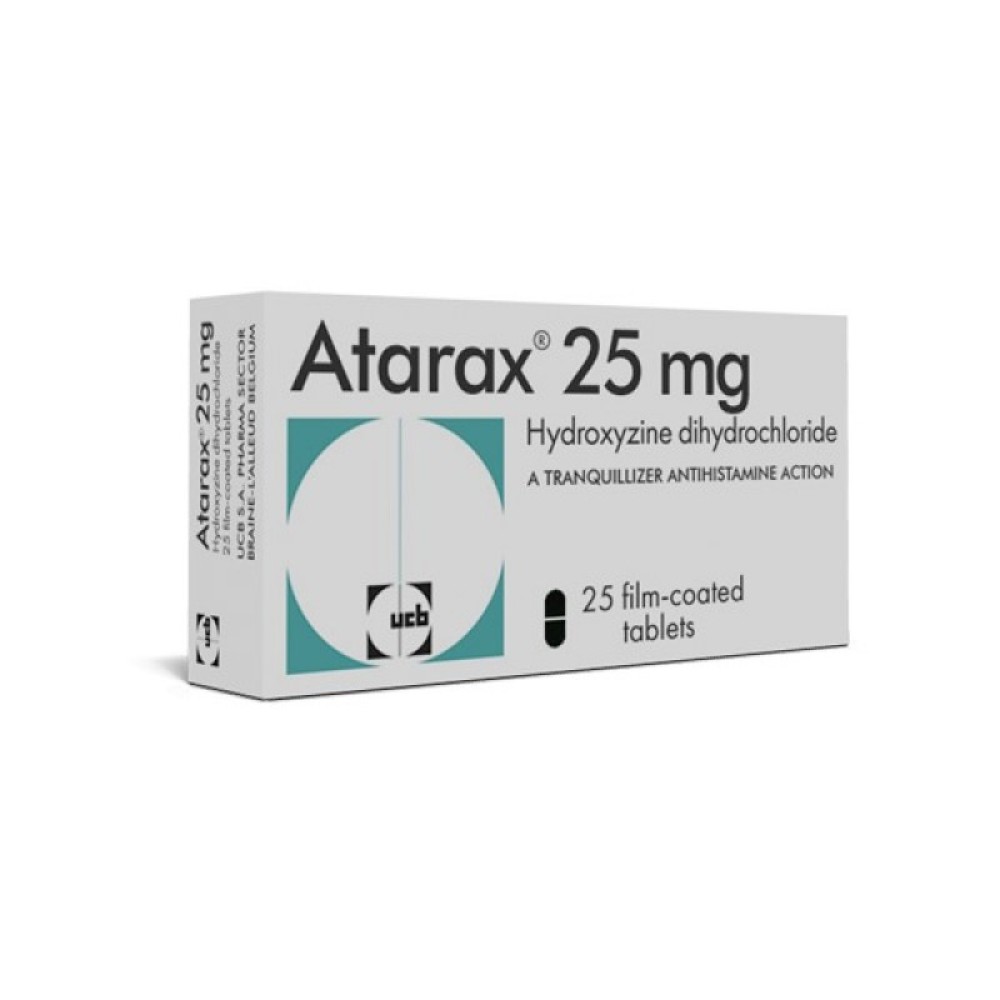
Atarax UCB is a well-known medication primarily used for its anxiolytic, sedative, and antihistaminic properties. As a brand of hydroxyzine, it operates by inhibiting the action of histamine, a natural chemical in the body that is involved in allergic reactions and the regulation of certain physiological functions. The key characteristic of Atarax UCB lies in its ability to provide relief from anxiety and tension, while also serving as a calming agent for individuals undergoing stressful situations or suffering from allergies. Its pharmacological action not only promotes relaxation but also helps manage symptoms such as itching and discomfort arising from conditions like eczema and hives. This multifaceted approach makes Atarax UCB a versatile option for various patients.
Forms and Presentation of Atarax UCB
Atarax UCB is available in several forms, making it accessible and convenient for different patient preferences. The most common presentation is in oral tablet form, typically available in 10 mg, 25 mg, and 50 mg dosages. This allows healthcare providers to tailor the treatment to the specific needs and severity of the patient's condition. Additionally, Atarax UCB can be provided as an oral syrup, which is particularly helpful for individuals who may have difficulty swallowing pills, such as children or the elderly. Each form is designed to ensure effective absorption and rapid action, maximizing its therapeutic benefits.
Why Choose Atarax UCB Over Other Options?
When comparing Atarax UCB to other anxiety and allergy medications, it is essential to understand its unique benefits. Unlike some benzodiazepines, which may lead to dependency and significant sedation, Atarax UCB offers a non-habit-forming alternative that provides anxiety relief without the associated risks. Furthermore, its antihistaminic properties allow it to address allergic reactions simultaneously, making it an appealing choice for patients looking for a dual-action treatment. Additionally, Atarax UCB can be utilized in a variety of clinical scenarios, including pre-operative sedation, which sets it apart from other anxiolytics that may lack this versatility. Its ability to balance effectiveness with lower dependency risks presents a compelling case for using Atarax UCB.
Long-term Effects and Contraindications
While Atarax UCB is generally well-tolerated, understanding its long-term effects and contraindications is crucial for safe use. Prolonged use may lead to some individuals experiencing diminished effectiveness over time or increased drowsiness. It is essential to monitor how the body reacts to the medication through ongoing consultations with healthcare providers. Certain populations, such as pregnant women, nursing mothers, and children under the age of six, should be particularly cautious, as Atarax UCB is not recommended for these groups without medical advice. Patients with specific medical conditions, such as glaucoma, prostate enlargement, or those with a history of substance misuse, should also discuss the appropriateness of this medication with their healthcare team.
Practical Tips for Using Atarax UCB
Before starting Atarax UCB, it is vital to have a clear understanding of how to use it effectively. Consulting with a healthcare provider is the first step, where patients can discuss dosage, frequency, and specific needs based on their medical history. It is vital to adhere to the prescribed dosage and not to exceed the recommended intake, as doing so can increase the risk of side effects or complications. Patients should also be aware of potential interactions with other medications they may be taking; hence, providing a comprehensive list of all current medications during consultation is advisable. Lastly, users should track their progress and report any adverse reactions to their healthcare provider promptly, ensuring an optimized treatment experience.
| Features | |
| Acne | No |
| Active substance | Hydroxyzine |
| Also known as | Quinol, 1,4-benzenediol |
| Aromatization | No |
| Blood pressure | No significant effect |
| Chemical name | Hydroquinone |
| Classification | Histamine (H1) blocker |
| Dosage (medical) | Topically, 2-4% concentration, applied 1-2 times daily |
| Dosage (sports) | Not applicable |
| Effects | Reduces the production of melanin in the skin |
| Formula | C6H6O2 |
| Half-life | 1-2 hours |
| HBR | No |
| Hepatotoxicity | No |
| Lab Test | Not routinely required for medical use |
| Main action | Skin lightening |
| Side effects | Skin irritation, allergic reactions, possible increased risk of skin cancer with prolonged use |
| Storage conditions | Store at room temperature away from light and moisture |
| Substance class | Phenol derivative |
| Trade name | Eldoquin, Melanex |
| Use in sports | None |
| WAREHOUSE | International Warehouse 2 |
| Water Retention | No |
| Manufacturer | UCB |